Parents
Let’s be real, no one hands you a script for talking to your kid about periods, contraception, or sexual health. 'The chat' can feel awkward for everyone involved. But here’s the thing, you don’t need all the answers. What matters most is making space for honest chats, listening more, and showing them their questions are safe with you. We’ll give you the tools to not just start the conversation, but keep it going.
How to be a better ally


How to be a better ally
talking about their first period
For Parent(s), carers and trusted adults
This is a huge moment for the one in your life who's just gotten their period, but it's also a big moment for you! It's a sign that they are growing up! Sit with how you're feeling first, you may be excited? Nervous? Unsure? All of the above? Totally normal.
Look for a moment that feels private, calm, and uninterrupted. It doesn’t need to be a dramatic sit-down, getting ready in the morning, in the car, or on a walk is way less interrogation and more calm, chill chit chat.
Hot tip: sometimes they won’t bring it up directly. You might notice hints: mood shifts, spotting in underwear, hiding a pad, Googling things, or seeming withdrawn. That’s your cue to gently open the door.
To start the conversation, you could try:
- “If you ever have questions about periods or anything like that, I’m always here.”
- “I remember getting my period and feeling kind of weird about it, just know it’s totally normal, and you don’t have to figure it out alone. I’m always here to chat.”
If they come to you first, pause, listen, and thank them for trusting you. Even if you feel unprepared, your calmness will speak volumes!
Keep it light but affirming. Let them know this is normal, healthy, and nothing to be ashamed of. You may even wish to celebrate it. This is a huge life stage! Avoid teasing, downplaying, or overwhelming them with info.
You could try:
- “That’s a big moment. Thanks for telling me, how do you feel?”
- “Your body’s doing exactly what it’s meant to.”
- “Let’s figure out what you need together.”
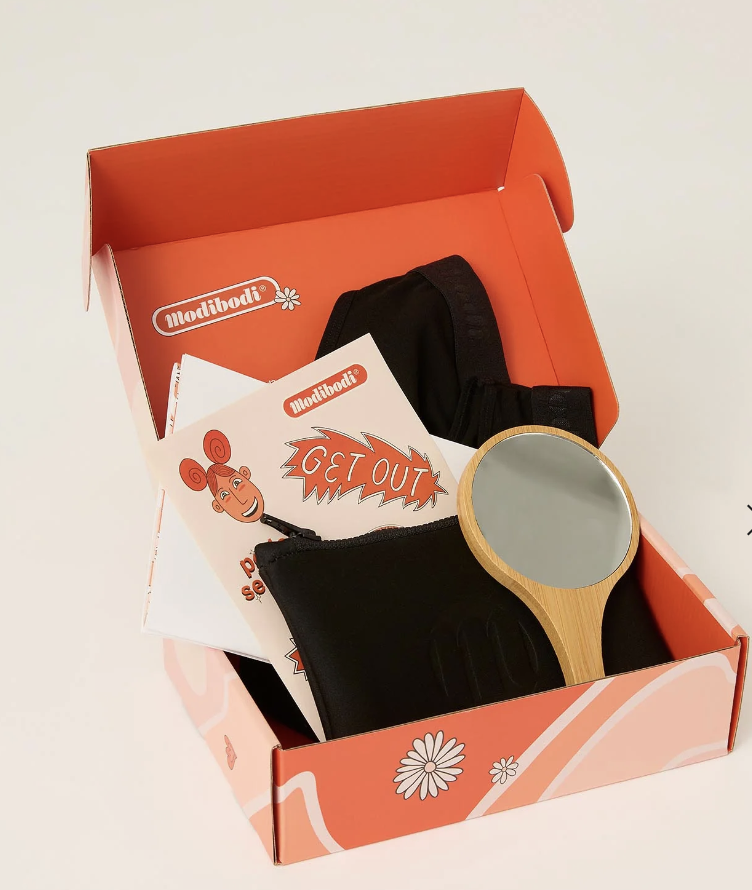
- Help them create a period kit: pads, tampons, liners, spare underwear, heat pack, wipes, a cute box to put it all in.
- Offer a trip to the pharmacy or let them pick products online
- Support cycle tracking - journals, downloading a period tracking app that’s age-appropriate, or popping the date in a calendar
- Ask if they’d like to talk to a doctor or nurse for more info or reassurance
- Keep supplies stocked at home and make them easily accessible
- Talk about how to manage periods at school, sleepovers, sport, travel, etc.
- Be their safe space. Ask: “What would feel most helpful right now?”
How to talk about periods without being weird
“So…are you, like, on your period?” Cue the scrunched-up face, like you’ve just taken the rubbish out and it leaked bin juice down your leg.
That right there.
A strong contender for the definition of being weird about periods. Let’s retire that energy because guess what, periods aren’t gross, shameful, or something to whisper about. They’re a normal, monthly magic trick where your body sheds what it doesn’t need and gets ready to do it all again. Which, when you think about it is pretty incredible.
1. Ask, don't assume
Instead of guessing, interrogating or assuming you know what they're going through, invite the other person in.
You could try something like:
“Are you comfortable with me checking in about your period?"
"What would be best for you?”
Consent first, always. This shows you respect their boundaries and that they get to decide how much to share.
2. Call it what it is
Call it what it is - a period or monthly bleed instead of dancing around it.
Skip the coy euphemisms unless they use them first (shark week, on the rag, that time of the month, aunt flo, etc). Then mirror their language.
This shows you’re meeting them where they’re at!
3. Let them lead
Open-ended questions keep the door open without being nosy (like your neighbour Barbara, that keeps opening your mail).
You could try something like:
“What’s your experience like?”
“Anything that usually helps?”
“How can I support you today?”
These are way better than “What’s wrong with you?”
4. Validate, don't minimise
Say things that recognise their experience.
Try something like:
“That sounds rough, no wonder you’re exhausted.”
“That's totally normal and valid.”
Skip dismissive lines like:
“It can’t be that bad.”
“Everyone gets them.”
“You’re just hormonal.”
Validation builds trust; minimising shuts people down.
5. Ask before offering fixes
Sometimes they want solutions, sometimes they just want empathy or a hug.
You could try something like:
“Want ideas or just a listening ear?”
“Would company help or do you want space?”
If they do want ideas, keep it practical: heat packs, snacks, pain relief, schedule tweaks, not a 10-point TED Talk on cycle syncing (unless they ask for that, then go right ahead).
6. Talk logistics
Sometimes offering to pickup period supplies or surprising your loved one with their favourite chocolate is all that's needed and honestly makes a world of difference.
Some suggestions:
“Need me to pickup pads/tampons for you?"
“Want me to grab a heat pack?”
"I'm at the shops, do you need pain relief?"
7. Respect their privacy
Some people want to share every detail, others keep it private. Both are valid. Gauge this based on the information that they provide; this will be your guide.
Some suggestions:
If it’s at work/school: “How can I help make today easier, more breaks, cover, or quieter tasks?”
If it's at home: "How about I cook dinner tonight?", "Let me know if you need anything"
If they don’t want to share, that's okay, respect that.
8. Be inclusive
Not everyone who menstruates is a woman. Say people who have periods, and if you’re unsure about pronouns, it's okay to ask. You may get it wrong and that's okay - just acknowledge it and keep trying. Inclusion shows care.
9. Follow up
A simple: “Feeling any better today?” goes a loooooong way.
Small, caring check-ins remind them you see them as a whole person, not just “someone on their period.”
What symptoms can feel like
To get you up to speed
Periods aren’t just “a bit of bleeding.” For some, it’s a monthly festival of cramps, mood swings, bloating, back pain, migraines, fatigue, and general “my body is plotting against me” vibes.
And symptoms can look completely different from one person to the next AND from one month to the next.
- Cramps: Ranging from “mild twinge” to “curl-up-on-the-bathroom-floor” pain.
- Bloating: Clothes suddenly fit like they’ve been tumble-dried too long.
- Back/leg pain: Achy, heavy, dragging feelings that radiate beyond the belly.
- Headaches or migraines: Sometimes paired with light sensitivity or nausea.
- Mood changes: Irritability, teariness, or feeling flat. All thanks to hormone shifts (not a personality flaw).
- Fatigue: The kind where even standing feels like too much admin.
- Digestive changes: From constipation to “gotta-go-now” urgency. There's a thing called a "period poo", which normally happens shortly after getting a period.
- Heavy bleeding: Soaking through pads/tampons/cups faster than expected.
If someone tells you they’re in pain, believe them. Resist the urge to say “It’s just part of being a woman,” “You’re overreacting,” or “It’s not that bad.” Those phrases shut people down and can make them less likely to seek help, even if their symptoms point to something like endometriosis, fibroids, or other conditions that deserve medical attention.
Try this instead:
- “That sounds intense, what would help right now?”
- “Want me to keep you company/grab pain relief/sort the snacks?”
- “I’m here if you need to vent or rest.”

What’s the difference between PMS and PMDD?
Most people who menstruate have heard of PMS (premenstrual syndrome): the “ugh, why do I feel like this?” cocktail of mood swings, cramps, bloating, fatigue, and general irritability that pops up in the week or two before a period. It’s common, usually mild-to-moderate, and symptoms tend to ease once bleeding starts.
PMDD (premenstrual dysphoric disorder) is PMS cranked up to the extreme and it’s a recognised medical condition, not just “really bad PMS.” It causes severe mood changes like intense sadness, rage, anxiety, or hopelessness, often disrupting work, relationships, and daily life. Physical symptoms can be similar to PMS, but the emotional impact is much heavier. PMDD symptoms also appear in the luteal phase (after ovulation, before bleeding) and vanish once the period begins.
Your guide to period products
You may have a lived experience with navigating your own period, maybe you are a tampon queen from way back or maybe you're new to this whole thing and trying your best to support your child with their period. Whatever the reason you're here with us, we see you! Thank you for taking the time to be here learning about periods! Here's a little snapshot of the different ways to catch, collect or absorb the monthly bleed!
1. Let's address the elephant in the room
Just so you know, any products that are going inside the body to absorb or collect menstrual blood cannot get lost.
The vagina is like a short, soft hallway. There's only one way in and out, that’s the vaginal opening. If your child inserts a tampon, they're placing it inside this hallway. At the far end of the hallway is the cervix, which is the lower part of the uterus. It acts like a wall with a very small opening in the centre. That opening is teenie tiny, like just a few millimetres wide and far too small for a tampon to get through. During their period, the cervix opens just enough to let menstrual fluid pass through, not enough for anything larger to get in or out.
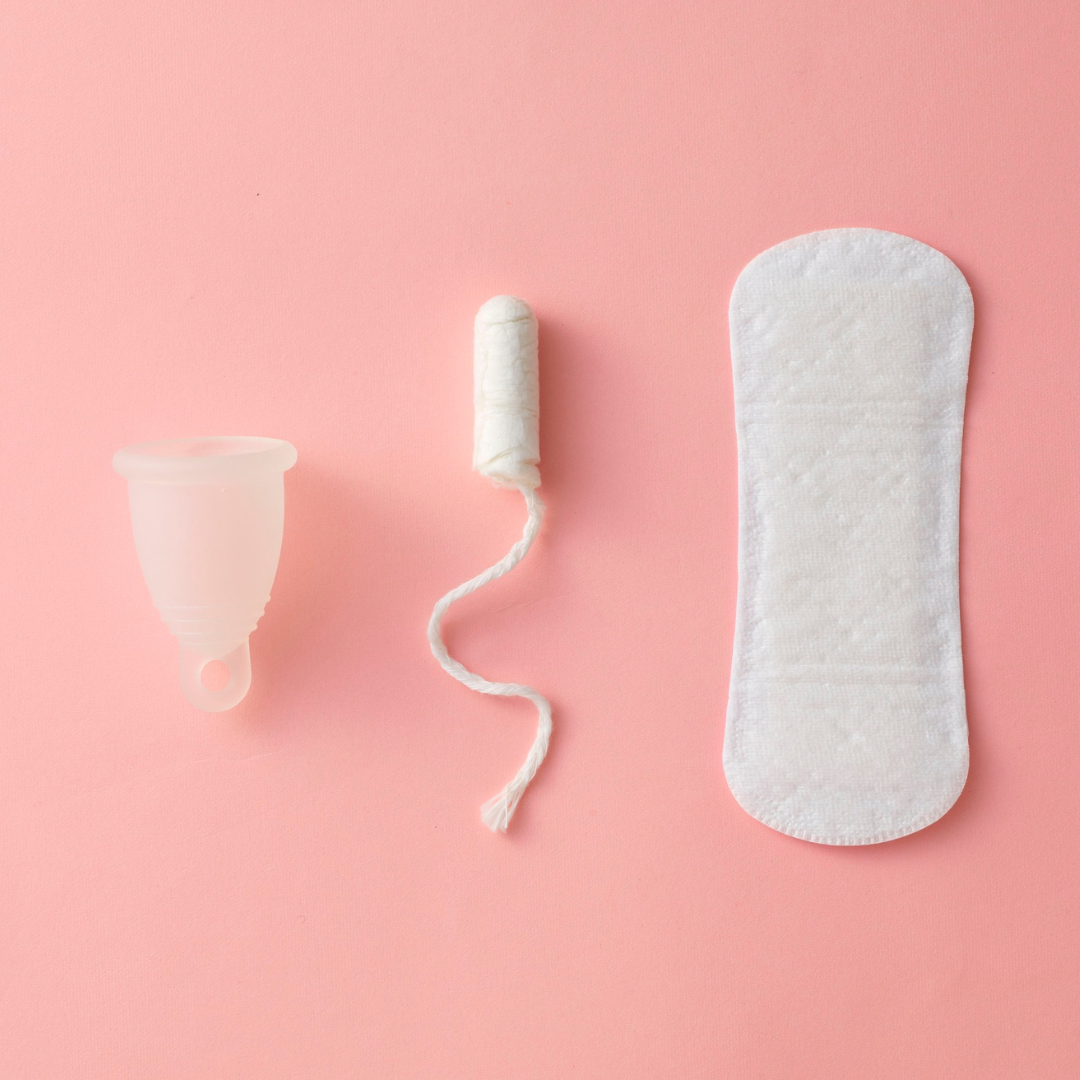
2. Pads
- These are the soft, sticky-backed rectangles that go in someone's undies
- They catch the blood after it leaves your body.
- Come with or without “wings.” Those little side flaps that hug a person's underwear.
- Need changing every 4-6 hours, or when it starts to feel like a soggy Weet-Bix.
- There’s also reusable options out there too.
Good for beginners, sleepers, and anyone who doesn’t want to put something inside of them.
3. Tampons
- They go inside the vagina and absorb blood before it even has a chance to escape.
- They look like little cotton bullets with a string attached. This isn't for carrying it around but actually to pull it out once it's done its job!
- Some come with an applicator (like a little rocket launcher), others can be inserted using a finger.
- Needs to be changed every 4-6 hours.
Great for swimming, when they're playing sport, or just living their best active life.
4. Menstrual cup
- A soft, squishy silicone cup that chills inside the vagina and collects blood.
- Needs to be emptied every 8-12 hours. Rinse. Repeat.
- Requires a little bit of practice to get the insertion down pat.
Good for those who want a more sustainable option that’s better for the environment.
5. Menstrual disc
- A flexible disc that sits way up high near the cervix and catches blood like a tiny frisbee with a purpose.
- Can stay in for up to 12 hours.
- Best for experienced users, takes a bit of practice to insert and remove without spillage!
- You can have sex with them in. Yes. Period sex. Mess-free. Mic drop.
Good for people with a heavy flow that don't want to have to think about their period leaking every 5 seconds.
6. Period underwear
- These are absorbent undies designed to soak up period blood without the need for anything else.
- Comes in different absorbency levels from super heavy to barely-there, so they're covered on every day of their cycle.
- They look and feel like regular undies, but they’re secretly superheroes.
- Reusable and washable.
- Some people prefer these over pads because they don't feel like you are wearing a diaper.
Good for sleeping, lounging, first-period days, or just living in denial about periods (who's with us?!).
Ways to be the best support person to your loved one with periods
Supporting your child through their period isn’t about tiptoeing around them or rolling out the red carpet. It’s about empathy and equity, showing them what care and respect look like. As a parent or caregiver, you’re setting the tone for how they’ll expect (and give) support in future relationships. Periods can be tough, but small, thoughtful actions like a soul-nourishing meal, a hug, or just being there can make all the difference!
Stock the comfort kit
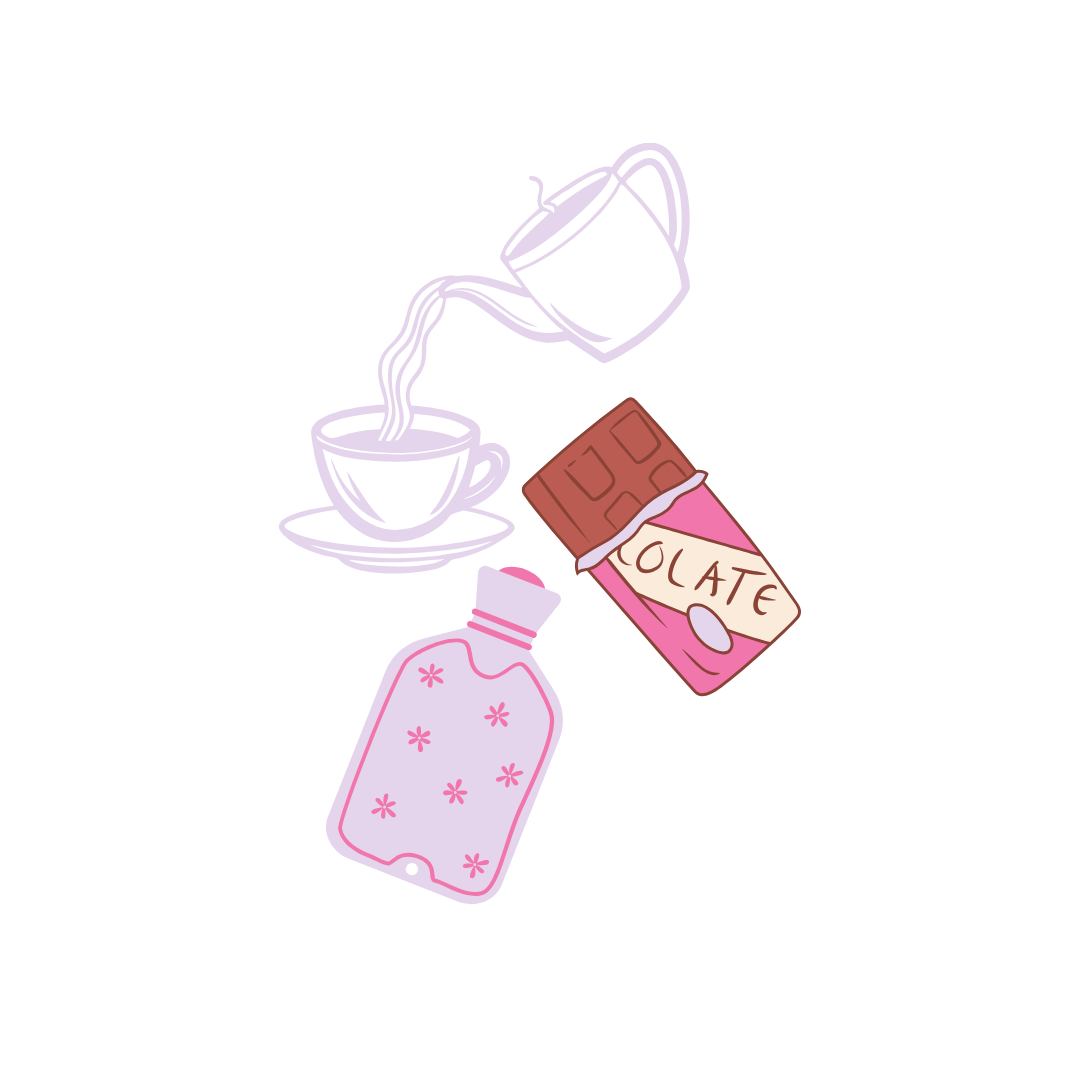
Heat pack, chocolate, favourite tea, pain relief, and that cosy blanket they always steal. If you REALLY want to go above and beyond, bake them something. Major brownie points (haha get it?!)

Feed them
Cook dinner, order their go-to takeaway, or just bring snacks. Bonus points if you remember their cycle craving staples.

Listen first, fix later (or not at all)
Sometimes all that's needed is to vent, not be given a TED talk on solutions. Be guided by what they need.
%20(1).gif)
Remind them it’s okay to rest
If they’re feeling guilty about slowing down, gently nudge them toward the couch and away from their endless social calendar and homework.