
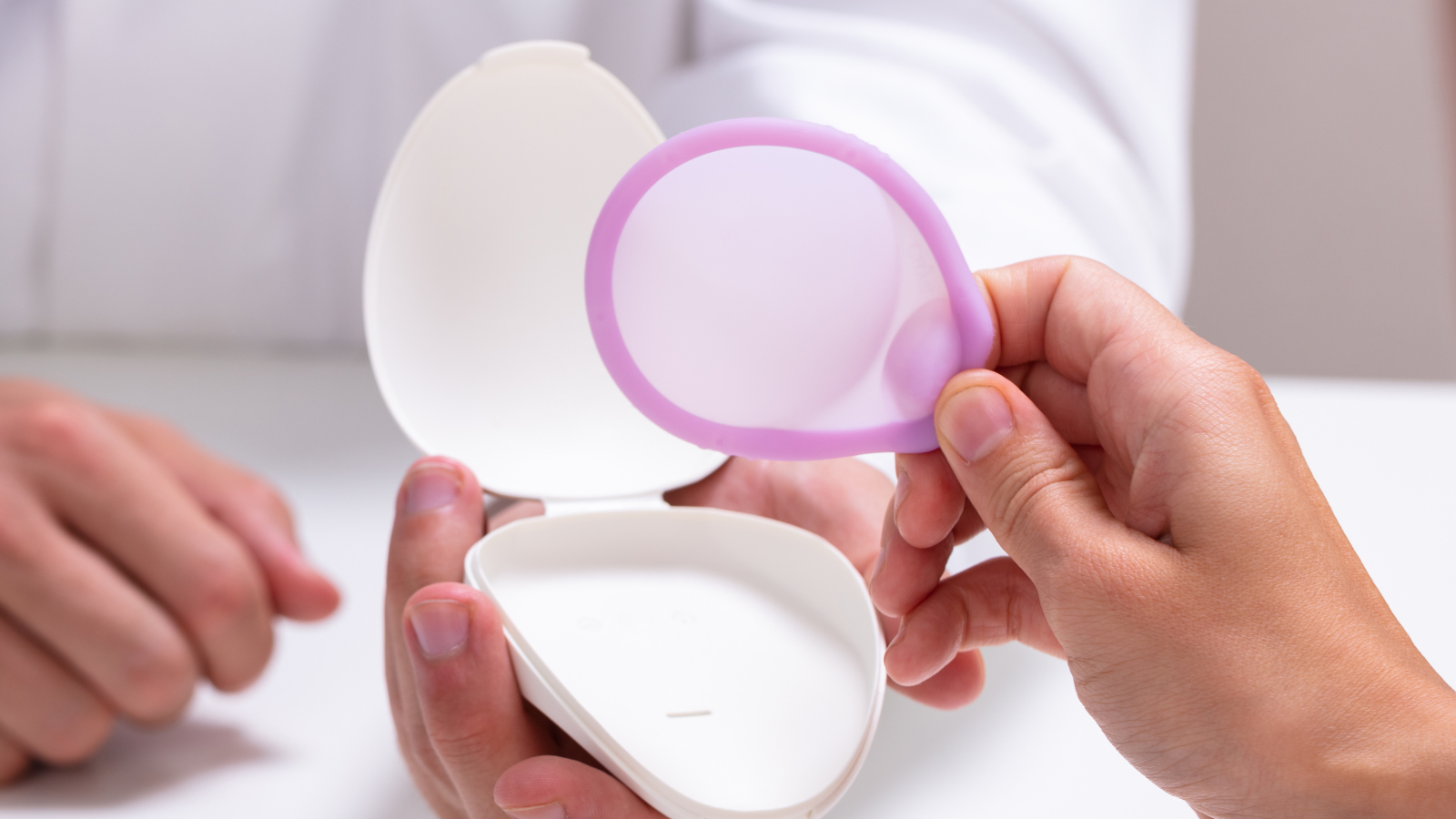
Diaphragm
A hormone-free, reusable little dome you can pop in hours before sex, like giving your cervix its own cute bodyguard.
Gets a C+ in pregnancy prevention.
The cheat Sheet
COMMON BRAND NAMES
Caya (only brand currently available in Australia)
PREVENTING PREGNANCY
86% effective when used perfectly. 82% effective with typical use.
STARTING ON THIS METHOD
In Australia, diaphragms like Caya are available without a prescription. You can buy one online, from some pharmacies, sexual health clinics, or even vending machines.
LAST FOR
Use every time you have sex. Pop it in before having sex and keep it in for 6 hours after.
HORMONES
No hormones
STIS
No protection against STIs
PERIODS
No change to your period
ACNE/SKIN
Doesn’t impact skin
MOOD/EMOTIONS
No effect on mood
PREGNANCY AFTER REMOVAL
It is possible to get pregnant immediately after removing the Diaphragm.
VISIBILITY
Only people involved in the sexual activity might see it
FINANCIAL INVESTMENT
One-off cost between $75-$100 in Australia. Can be reused multiple times and usually lasts around 2 years.
The diaphragm is a hormone-free, soft, silicone hat for your cervix. Before sex, you insert the diaphragm into your vagina with a little help from a contraceptive gel (usually lactic acid-based, like Caya Gel). It sits snugly over your cervix, acting like a very committed bouncer, no sperm’s getting past this door. You only use it when you need it and it’s reusable.
The gel adds an extra layer of defence by helping to slow down or kill sperm. After sex, you need to leave the diaphragm in for at least 6 hours; sperm can be surprisingly persistent, and this gives the gel time to do its thing.
It’s recommended to not leave the diaphragm in for any longer than 24 hours total, and always reapply gel if you're going for round two.
- People after a sustainable, reusable contraceptive option
- The plan-ahead types (sexy time tonight? Pop it in at dinner)
- Anyone who wants a hormone-free method that works on their terms
- Doesn’t protect against STIs. If you’re after double protection (pregnancy + STIs), pair it with a condom. Dream team.
- Takes a little practice. The first few times might feel like assembling IKEA furniture with no instructions, but once you’ve got the hang of it, it’s easy peasy.
- Not for postpartum use (just yet) - If you’ve recently had a baby, you’ll need to wait at least 6 weeks before using a diaphragm. Chat with your doctor to make sure it’s the right fit for your post-birth body.

The not-so-fun stuff
Common side effects
- A bit of vaginal irritation
- Feeling a bit dry or uncomfortable if used without enough lube
Less Common But important to know
Before you close the tab and write the diaphragm off forever…
Let’s be honest, no contraceptive method is totally flawless. And while the diaphragm doesn’t come with hormones (woo!), that doesn’t mean it’s a perfect match for everyone.
Some people love the autonomy, others find it fiddly. Some bodies give it a standing ovation, others might throw a UTI or two into the mix.
Every experience is valid, because every body is different. We're not here to sugar-coat or scare you off. Just to give you the full picture, so you can decide what feels right for you.
Toxic shock syndrome (TSS) is a very rare condition caused by certain bacteria that can enter the body and, in some cases, lead to serious illness. It has occasionally been reported in people using diaphragms, particularly when the diaphragm is left in for longer than recommended.
To keep the risk as low as possible, make sure to follow the instructions on how long to leave your diaphragm in, usually no more than 24 hours total (including the time before and after sex).
If you start feeling unwell while using your diaphragm, like flu-like symptoms, dizziness, or a sudden rash, check in with your doctor or sexual health clinic. It doesn’t automatically mean it’s TSS, but it’s worth getting checked out if something feels off.
Using a diaphragm can slightly increase your risk of getting a UTI (urinary tract infection). That’s because the diaphragm sits close to the bladder and urethra (where you pee out of), and when it’s pressing on that area, it can sometimes make it harder to fully empty your bladder. When urine hangs around longer than it should, it can increase the chance of bacteria growing and causing an infection.
What to look out for: a burning sensation when you pee, needing to go more often than usual, or lower abdominal pain.
Hot tip: Peeing before and after sex can help flush out bacteria and lower your risk. If you’re prone to UTIs, chat to your doctor, they might suggest a different method or ways to manage the risk.
Some people may be sensitive or allergic to the materials used in diaphragms, usually the silicone that most are made from, or the contraceptive gel that you put in it. This can lead to irritation, itching, or swelling in the vulva or vagina. Not fun!
If you notice any irritation or discomfort after using a diaphragm, it’s worth checking in with your doctor.
How to put in the diaphragm
Putting in a diaphragm might feel a little like “wait, where is this going again?” at first, but once you’ve done it a couple of times, it’s like riding a bike. A very small, silicone, cervix-covering bike.
Now, the first thing to remember is that you can insert the diaphragm up to 2 hours before having sex. Which is pretty hot when you think about it - so much time for activities! Ugh the spontaneity!
1. Wash your hands (with soap)
Start with clean, dry hands to reduce the risk of infection (cus no one has got time for that).
2. Apply some contraceptive gel
Squeeze a teaspoon-sized (no need to go ham here) amount of contraceptive gel into the dome (the cervix side).
Smear a little around the rim for good measure.
3. Find a comfy position
Think a juicy squat, standing with one leg up on the toilet or lying down for nap time.
4. Fold the diaphragm
Pinch the sides together to fold it in half (like a taco).
5. Insert into the vagina
Make sure the arrow on the diaphragm is pointing towards your body and then gently push the folded diaphragm up into the vagina. Aim towards your lower back, not straight up.
6. Cover the cervix
Use your finger to check that the diaphragm is sitting over your cervix (it should feel like a small, round bump).
The diaphragm should be snugly covering it, like a tiny silicone hat.
If it’s off-centre, use a finger to nudge it into place.
7. After sex
- Leave the diaphragm in for at least 6 hours but no more than 24 hours.
- To remove, hook a finger under the rim and gently (especially if you’ve got long nails!) pull it out.
Troubleshooting: The diaphragm
Try this:
- Take a few deep breaths. Tense muscles make it harder to insert it.
- Try a different position: standing with one leg up, squatting, or lying down.
- Try using some lube (only water-based though, some lubes don’t play nice with silicone)
Still not working?
- Make sure you're folding it right - it should be taco-shaped, not origami-level complicated (love the creativity but use it elsewhere)
- It may be a case of it being the wrong size for you. At the moment, there’s only one size of diaphragm available in Australia. It may be worth chatting with your doctor about other contraceptive options!
Try this:
- Your cervix feels like the tip of your nose (soft and round).
- Run a finger around the rim - it should sit snugly.
- If it feels off-centre, nudge it into place.
Still not working?
- Remove it and try again - sometimes a little adjustment makes all the difference.
- It may be a case of it being the wrong size for you. At the moment, there’s only one size of diaphragm available in Australia. It may be worth chatting with your doctor about other contraceptive options!
Try this:
- Push it a little deeper - it should tuck behind your pubic bone, not just hang out in the wind.
- If it’s pinching, you might have it folded weirdly. Take it out, refold, and try again.
- Still uncomfy? It may be a case of it being the wrong size for you. At the moment, there’s only one size of diaphragm available in Australia. It may be worth chatting with your doctor about other contraceptive options!
Deep breaths, you got this.
Try this:
- Hook a finger under the rim and gently pull.
- If it’s really stuck, try a different position - squatting often helps.
Still not working?
- You might need a second try when you’re more relaxed.
- If it’s been over 24 hours, or you seriously can’t remove it, call upon your doctor to remove it - they’ve seen it all, promise.
- If it was in the right place and used with contraceptive gel, you should be good.
- If it moved, slipped out, or wasn’t covering your cervix, emergency contraception might be a good idea.
- If you’re unsure, chat with a doctor or pharmacist for peace of mind.
Your diaphragm's self care routine
Just like your skin, your houseplants, and your favourite vibrator, your diaphragm needs a little TLC to stay in good nick. It doesn’t ask for much, just a rinse, a dry-off, and the occasional check-up. Treat it well and it’ll return the favour by showing up when you need it most (like during steamy, spontaneous sex that doesn’t result in a surprise nine months later).
Likes
Being clean
After every single use, give it a little spa treatment (pay it some lovin, it’s been working hard). Use warm water (not hot!) and a mild, unscented soap (no fancy body washes or harsh chemicals) and gently wash it.
Pat dry with a clean towel (that doesn’t shed lint) or let it air dry completely before popping it away.
Prefers al la natural
Avoid using alcohol, bleach or disinfectants on your diaphragm. Your vagina is not a kitchen counter.
A nice home to call its own
Store your diaphragm in its protective case (usually a little plastic container). Keep it in a cool, dry place. Preferably not in the bathroom - sometimes it can be a bit too humid.
Accompanying friends
Water-based lube? Absolutely. Silicone and oil-based lubes? Not so much. They don’t get along, and we don’t want any drama with your diaphragm. Also plays nice with condoms!
Dislikes
Doesn't like hot baths
Unlike your menstrual cups, the diaphragm cannot be boiled to be sterilised. This will warp the silicone.
Being thrown in with every other item in your bag
Although super handy, it’s recommended not to keep your diaphragm in your bag or loose in a drawer. Dust and lint are not vagina-friendly.
Here for a good time, not a long time
A diaphragm typically lasts about 6 months to 1 year. However, check it for any cracks, holes or thinning (hold it up in the light to check this) and if this is the case, replace it with a new one.
2am thoughts on the diaphragm
Yep, you can! Just know it’s not a multitasker, it won’t catch your period like a menstrual cup would. It’s contraception-only, but wouldn't it be cute if it could do both?
You sure can! Once it’s in, it’s good for multiple rounds. Just remember to leave it in for six hours after you finish having sex. Then you can give it the ol’ rinse and repeat.
Yes and yes. Go for water-based lube to keep things slippin and slidin. Oil-based lubes (like baby oil or coconut oil) are a no-go, they don’t play nice with the silicone. Condoms are also welcome, they’re a great duo if you want protection against both pregnancy and STIs.
It happens! Give it a rinse with clean water and pop it back in. But if it’s been out for more than 6 hours during the action, consider emergency contraception just to be safe.
Absolutely. The diaphragm won’t cramp your spa vibes. Swim, soak, and sizzle to your heart’s content.
We wish! But no, it’s not designed to hold menstrual blood. For period duties, your trusty menstrual cup is still the MVP.
Where this info comes from
This page was created using guidance from trusted Australian and international health organisations, clinical guidelines, and peer-reviewed research. These sources support the medical accuracy, accessibility, and lived experience approach behind this content.
- Otten, C. (2021). The sex ed you never had. Allen & Unwin.