
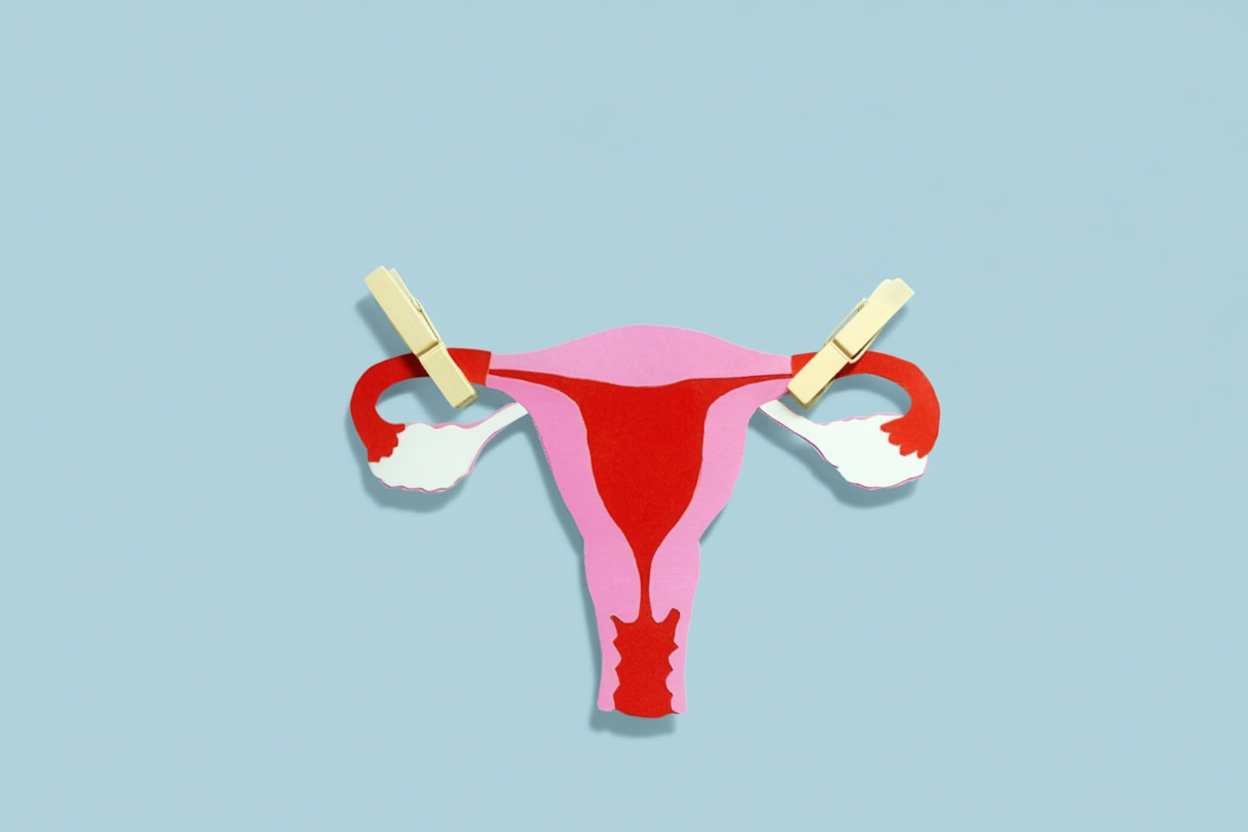
Tubal ligation
The ultimate 'set and forget' of the contraception world. A permanent option for people with uteruses who know they're done (or never started) with baby-making.
Gets an A+ in pregnancy prevention.
The cheat Sheet
COMMON BRAND NAMES
Getting your tubes tied
PREVENTING PREGNANCY
Over 99% effective at preventing pregnancy.
STARTING ON THIS METHOD
Tubal ligation is done by a healthcare provider, usually after a GP referral to a gynaecologist or a clinic that offers the procedure. It’s performed in a hospital or day surgery setting, most often under general anaesthetic.
LAST FOR
You’re protected from pregnancy as soon as it’s done.
HORMONES
Nope, no synthetic hormones involved.
STIS
No protection against STIs
PERIODS
Yep, you’ll still get your period; sterilisation doesn’t mess with your hormones, so your cycle keeps doing its thing.
ACNE/SKIN
No effect to acne/skin
MOOD/EMOTIONS
No effect to mood/emotions
PREGNANCY AFTER REMOVAL
Tubal ligation is intended to be permanent. While reversal surgery is sometimes possible, it’s complex, costly, and not always successful so it’s best to think of it as a forever decision rather than something you can easily undo.
VISIBILITY
Not visible, the procedure is entirely internal, with only small keyhole scars that usually fade over time.
FINANCIAL INVESTMENT
In Australia, low or no cost in the public system; around $400-$2,000+ privately after rebates.
Tubal ligation (aka female sterilisation) is a permanent way to prevent pregnancy for people with uteruses who are sure they’re done having kids or never wanted them in the first place. Think of it as putting a permanent roadblock on the baby highway. It works by closing or blocking the fallopian tubes so eggs can’t meet sperm and start a pregnancy party. It’s usually done via keyhole surgery, and you’re back to paying social netball on a Thursday night in no time (okay a few days maybe).
What actually happens:
- Your fallopian tubes are either clipped, tied, cut, sealed, or removed altogether (depending on the method).
- This stops eggs from travelling down the fallopian tubes to meet sperm.
- Ovulation still happens, and hormones still do their thing, your body just quietly absorbs the unfertilised egg like it always did.
Procedure:
- Done under general anaesthetic (you’re asleep).
- Usually via laparoscopy (tiny incisions in your belly, using a small camera).
- Often a day procedure, home the same day, Netflix and recovery snacks that evening.
- People who don’t want any more kids (like, ever)
- Folks who are certain future babies aren’t on their bingo card
- Anyone craving a no-fuss, forever kind of birth control without the hormonal rollercoaster.
- It’s considered permanent; reversal isn’t guaranteed, so be really sure before you go through with it.
- Sterilisation doesn’t protect against STIs, so condoms may still be your bestie.
- Your hormones, periods, sex drive, and personality are all untouched. This isn’t that kind of procedure.

The not-so-fun stuff
Common side effects
Let’s be honest, no contraceptive method is perfect. Some people breeze through tubal ligation, others have a slightly bumpier recovery, physically, emotionally, or mentally and every experience is valid.
Sterilisation is generally safe and super effective, but it’s still a surgical procedure, so it comes with possible side effects and risks. We want you to have the full picture so you can make a decision that works for your body, not just what looks good on paper.
So here it is: the good, the meh, and the stuff worth keeping an eye on.
- Mild abdominal pain
- Bloating
- Should tip pain (from the gas used in the laparoscopy)
- Fatigue
- Nausea and/or tiredness from the general anaesthetic
Less Common But important to know
Possible risks and complications from the operation are rare, around 1 in 100 people experience them, but they can include an allergic reaction to the anaesthetic, damage to nearby organs such as the bowel or ureters, infection, inflammation or ongoing pain, heavy bleeding (haemorrhage), and infection of the wound or one of the fallopian tubes.
Sterilisation is more than 99% effective, but not 100%. In very rare cases, the fallopian tubes can regrow or reconnect. Pregnancy rate after tubal occlusion is around 5 in 1,000 over 10 years.
If pregnancy does happen after sterilisation, there’s a higher risk that it will be ectopic. This means that it is implanted outside the uterus, usually in a fallopian tube. This is a medical emergency and requires immediate care.
Conversation starters
Mention you’re getting a tubal ligation and watch people’s eyebrows do gymnastics.
Some will cheer you on, others will act like you’ve just announced you’re moving to Mars. Whether it’s your partner, your doctor, or your mum who ‘just wants to make sure you’ve thought about it,’ here’s how to start those chats and respond calmly in the driver's seat.
With your partner(s)
This conversation is about respect, not permission. It’s your body and your choice, but if you’re in a relationship, it makes sense to share your thinking.
Try:
- “I’ve been seriously thinking about long-term contraception, and sterilisation feels like it could be the best option for where we are at in life. What are your thoughts?”
- “I’ve been looking into sterilisation, and it’s starting to feel like maybe it’s something I want to do but I want to talk it out with you.”
- “This doesn’t mean I don’t love you or our life together. It just means I’m clear about not wanting (more) kids.”
If there’s pushback or surprise, take a breath. Invite curiosity, not debate.
With your family
Some people tell their family, others don’t and that’s 100% your call, but if you’re close or anticipate questions, it can help to frame the conversation with that cool-as-a-cucumber confidence.
Try:
- “I’ve made a personal decision about contraception. I’m getting tubal occlusion/a vasectomy.”
- “I’ve been thinking a lot about my future and what I want, and I’ve made a personal decision about contraception that I’d like to share with you.”
If they go full “but what if you change your mind?!” mode, you can say:
- “I understand that’s a common worry. I’ve considered that possibility, and I’m still confident in my decision.”
With your doctor
This one can be the trickiest, but also the most important. Be clear, prepared, and don’t be afraid to advocate for yourself. It’s your body at the end of the day!
Try:
- “I’d like to discuss permanent contraception options. I’ve done my research and believe sterilisation is the right choice for me.”
If they say no or brush you off:
- “I understand this is permanent. I’ve thought through the risks, alternatives, and future implications.”
- “I’m aware some doctors are hesitant with younger patients, but I’d like to be assessed based on my reasoning, not my age.”
- “Can you refer me to someone who is more comfortable supporting reproductive autonomy?”

I’m young, will there be pushback if I decide to get this done?
Hmm yes, there can be pushback.
Especially if you’re under 30, haven’t had children, or don’t “fit the mould” of who people think should choose sterilisation (I know, mind your own bees wax Brenda!), but that doesn’t mean it’s not a valid or smart choice for you.
You deserve respectful, nonjudgmental healthcare. If a provider makes you feel dismissed or patronised, that says more about them than you.
Keep advocating for yourself, and know you're not alone!
2am thoughts
getting my tubes tied
What to actually expect if you're getting Tubal ligation
So, you’ve decided on tubal ligation, the ultimate ‘set it and forget it’ of contraception. Here’s your backstage pass to what to expect, plus some handy tips to get you from decision to done!
1. Reflect and get clear on your "why"
You don’t need to justify your choice to us (we get it), but some providers will ask you to explain your reasons. Feeling clear and confident going in helps (a lot!).
Hot tip: Write down your reasons ahead of time. Use language like “I’ve carefully considered…” or “I’m confident this is the right decision for me long-term.”
2. Find the right provider (this part matters)
Some doctors may be unwilling or hesitant, especially if you're young, childfree, or AFAB. That’s not a medical rule, it’s personal bias. You’re allowed to get a second (or third) opinion.
Hot tip: Search for reproductive autonomy-friendly providers, or look for clinics that specialise in tubal ligation without childbearing requirements. Online forums or health advocacy groups often share recommendations.
3. Book a consultation
You’ll typically have a pre-procedure consult where your provider will explain:
- What the procedure involves
- Possible risks and outcomes
- That it's permanent (and what that means)
- Alternatives (which you’ll probably have to say "yes I’ve considered")
- Expect some probing questions, especially if you’re younger. It’s not always fun, but staying calm and firm helps.
4. Get informed consent
This is a legal step. You’ll sign a form that confirms you understand:
- The procedure is permanent
- There are small risks (like any surgery)
- Reversal is not guaranteed
- You’ve made this decision voluntarily
- Some countries or providers may enforce a cooling-off period (e.g. 30 days) before scheduling the procedure.
5. Schedule and undergo the procedure
Tubal ligation is usually done under general anaesthetic via laparoscopy (tiny keyhole incisions in your belly) so your doctor can block, snip, or remove the fallopian tubes. It’s most often a day surgery, so you’re home the same day, ideally in trackies, with snacks, and a good series queued up. Most people are pottering around in a couple of days and back to full speed within a week (give or take).
Pre tubal ligation procedure prep
Before the practical stuff, take a moment to check in with yourself. Even when you’re certain, surgery can stir up all kinds of feelings - relief, nerves, excitement, maybe even a flicker of “is this really happening?” All normal. This is your choice, your body, and your timeline, so give yourself permission to feel whatever comes up.
Now, keep using reliable contraception right up until your tubal ligation surgery. This avoids the tiny chance of a very early pregnancy that wouldn’t show up on a test yet.
You’ll be at the clinic for around 2-3 hours, depending on how speedy your recovery is.
Before the procedure
- You’ll most likely need to fast (check with your doctor though). This means no food, no drinks, no chewing gum, no lollies for 6 hours before your appointment. For this reason, try booking a morning appointment if you can so that the fasting time is when you’re sleeping, not wide awake getting hangry, waiting for your appointment.
- It’s recommended to only have a small glass of water each hour up until 2 hours before. If you go overboard on the hydration, the clinic may suggest cancelling or rescheduling (which we don’t want!).
During the procedure
- Wear loose, comfy clothes
- Bring a support person with you and make sure they can drive you there and home again (this is not a “hop on the bus after” type of surgery).
After the procedure
- At home, have snacks and a good show queued up so you can flop and drop into recovery mode.
- To ease the tummy pain and bloating, use a toasty warm heat pack on your belly.

Hitting the Reverse button after tubal ligation
Tubal ligation is usually chosen by people who feel absolutely certain they’re done with kids or never wanted them in the first place. But life can flip, feelings can shift, and that’s completely valid.
Reversal is sometimes possible, though not always successful, and depends on things like your age, how the procedure was originally done, and your overall reproductive health. If your fallopian tubes were removed, reversal isn’t on the cards, but IVF can still be an option. Even with a successful reversal, there’s a higher risk of ectopic pregnancy, so your doctor will want to keep a close eye on things.
The recovery process post Tubal ligation
It’s official! Tubal ligation recovery is your excuse to slow down and be looked after. Here’s your day-by-day guide to what’s normal, what to avoid, and when you should start feeling like yourself again, plus full permission to milk the ‘I just had surgery’ card for all it’s worth.
1. Surgery Day
Phew! Done and dusted! Home the same day, into your comfiest clothes, with snacks and something good queued to watch, check!
Take pain relief as needed, rest, and skip anything that involves effort beyond reaching for the remote.
Hey, how often do you give yourself permission to just rest and do nothing? Now’s your chance - soak it up!
2. Day 1-3
You may have a tender belly, feel a bit bloated or have a weird shoulder tip ache (this is from the gas used in the procedure). All are normal.
Go easy on yourself: light rest, no heavy lifting or strenuous exercise, and definitely no “I’ll just rearrange the garage” moments.
Keep dressings in place and dry. Showers are fine, just pat your wounds dry afterwards.
3. Day 4-5
Still avoid anything inside the vagina (sex, tampons, menstrual cups) and no baths or swimming. Pads only if there’s bleeding.
Keep an eye out for infection signs: fever, chills, redness, swelling, discharge, or pain that’s getting worse, not better and contact your healthcare provider if anything feels off.
4. Day 5
Gently peel off the clear plastic dressings. Leave the white strips alone until they fall off or until day 10.
5. Day 6-7
Things should be settling down. Keep following the no-baths/no-vaginal-anything rule until you hit the one-week mark.
6. Day 7 onwards
You can start easing back into normal activities if you feel ready. You’ll usually have a follow-up appointment within a few weeks to check healing and answer any lingering questions.
0
Pain-free, baby!
1
Pain-free, baby!
2
I can feel it, but it’s no biggie.
3
It’s annoying, but I can tune it out.
4
It’s constant and starting to wear me down.
5
It’s hard to focus. I’m uncomfortable and kind of done.
7
I need support — I can’t manage this on my own. Might be time to call the doctor.
8
This is serious. I’m struggling to cope and thinking about urgent care.
9
I can’t move or think straight. This feels emergency-level.
10
The worst pain I’ve ever felt. This is an emergency. Hospital, now.
0
A cute drop
1
Light flow
2
Moderate
3
Heavy
4
Very heavy
5
Flood zone
The pain-o-metre
A lot of us downplay our pain.
Especially when it comes to periods, cramping, or anything uterus-adjacent. We’re taught to tough it out, to call it “normal,” even when it’s not. Why? Because for a very long time, the world told us to.
That’s exactly why we created this Pain-O-Metre, to help you check in with your body, validate what you’re feeling, and remind you that asking for help isn’t dramatic. It’s smart.
This scale is here to help you check in with your body - it’s not a substitute for medical advice. If you’re ever unsure, always check in with a healthcare provider.
The Blood-o-metre
This scale is a guide, not a diagnosis. Everyone’s body and baseline are different, and pain or bleeding that’s affecting your daily life, mental health, or ability to function is reason enough to check in with a medical professional.
When in doubt - Trust your gut, and seek support.
Where this info comes from
This page was created using guidance from trusted Australian and international health organisations, clinical guidelines, and peer-reviewed research. These sources support the medical accuracy, accessibility, and lived experience approach behind this content.
- Family Planning Tasmania - Tubal ligation
- BetterHealth Channel - Tubal ligation
- Family Planning NSW - Female sterilisation
- Healthdirect Australia - Laparoscopic sterilisation, Tubal ligation
- Sexual Health Victoria - Tubal ligation
- SHINE SA - sterilisation
- MSI Australia - Tubal Ligation
- WebMD - sterilisation
- NHS UK - female sterilisation
- Brook - Tubal occlusion
- Planned Parenthood - female sterilisation
- Cleveland Clinic - Tubal ligation
- Mayo Clinic - Tubal ligation
- Otten, C. (2021). The sex ed you never had. Allen & Unwin.