
HPV & cervical screenings
Also known as 'pap smears'. You know that thing that you have to do every 5 years where you lie back, scoot down, and think of literally anything else while someone checks that your cervix is in good nick. It’s mildly awkward, mildly undignified, but like flossing or wearing SPF, annoyingly essential for your long-term health.
What are cervical screenings for?


_Debora_Spanhol_Photos_ID7758.jpg)
Human papillomavirus (HPV) - the reason we do cervical screenings
Pronounced HYOO-mun-PAP-uh-LOH-muh-vy-rus
Just call it HPV, honestly.
Also anyone that gets this word at a spelling bee competition, we feel sorry for you.
The most common STI in the world, with over 100 different types. Some strains are totally harmless. Others can cause genital warts or, more seriously, cancer.
Skin-to-skin contact. HPV loves warm, moist areas like the vulva, vagina, penis, scrotum, anus, mouth, and throat. It can spread through vaginal, anal, or oral sex, and even from genital-to-genital contact without penetration or ejaculation.
Usually none, which is what makes it so sneaky. Most people clear it naturally within 1–2 years without ever knowing they had it.
Low-risk types can cause genital warts.
High-risk types can cause abnormal cell changes that may lead to cervical, anal, throat, vulva, penile, or vaginal cancers. These are picked up in your routine cervical screenings.
Not exactly, but in most cases, the immune system clears it without needing treatment.
Some high-risk strains can silently lead to cancer over time (we're talking over 10-15 years). Regular testing (aka cervical screenings) helps detect changes before they become serious.
Cervical screening (formerly known as a Pap smear) is used to detect HPV or cell changes in people with a cervix.
There’s no routine HPV test for the mouth, throat, anus, or penis but warts can be visually diagnosed.
HPV vaccine (like Gardasil 9) protects against the most harmful strains. It’s usually given at school, but can be caught up later if missed.
Condoms and dental dams lower the risk but don’t fully prevent transmission (because HPV spreads by skin-to-skin).
Regular cervical screenings are crucial, usually every 5 years from age 25–74 in Australia, unless advised otherwise.
Genital warts (low-risk HPV) can be removed with creams, freezing, or minor procedures at your doctor’s clinic.
Pre-cancerous cell changes found on cervical screening can be monitored and treated with procedures like the LLETZ procedure.
Cervical screenings explained
Also known as a pap smear. You know, that charming little appointment that happens every couple of years where you lie back, scoot down, and think of literally anything else while someone checks that your cervix is in good nick. It’s mildly awkward, mildly undignified, but like flossing or wearing SPF, annoyingly essential for your long-term health.
1. Self collection vs in-clinic
You may have heard it referred to as a Pap smear. But we’ve had a glow-up! Australia now uses the Cervical Screening Test (CST), a modern test that looks for HPV (human papillomavirus), the common virus that can cause cervical cancer. Think of it as an early-warning radar: it spots HPV before any abnormal cells or cancer develop.
You’ve got two options:
Self-collection: You take your own vaginal swab in private. It's quick and painless (It’s about bloody time).
Clinician-collected: A trained healthcare professional collects the sample in-clinic.
Both are equally accurate at detecting HPV when tested in a lab. Choose your own cervical adventure!
2. Do I need to do this?
If you're:
- 25 to 74 years old, and
- Have a cervix, and
- Have ever been sexually active (including any kind of genital contact),
Then yes, this is for you.
Even if you’ve had the HPV vaccine
Even if you’ve only had one partner
Even if you’ve never had penetrative sex
Even if you’re First Nations, trans, queer, or non-binary, if you’ve got a cervix, you’re on the guest list!
3. When do I need to get it?
- First test: at age 25.
- Then, every 5 years, if your results are normal (easy peasy).
- If HPV is found, you might need to test more often or have a follow-up.
Even if you feel fine, even if you’re symptomless, cervical cancer doesn’t come with a big, bold warning sign. That’s why it’s super important to get screened! Think of it like a dental check-up, but less frequent and way more heroic. Like every five years? That’s longer than most house plants stay alive.
And don’t stress about remembering, if you're enrolled in Medicare, you’ll usually get a friendly reminder letter or SMS from the National Cancer Screening Register when you’re due. If you don’t have Medicare, ask your GP to help you opt in manually.
4. Why do I need it?
This is the epitome of being proactive about your health. Early detection equals prevention and that’s pretty hot if you ask us! HPV is super common and usually harmless, but certain strains can cause cancer. The cervical screening test picks up HPV before anything nasty can develop. It actually could save your life. We're talking around 90% of cervical cancers can be prevented through early detection and treatment!
Sit with that.
Really sit with that.
Are you sitting with that?
And just so you know the bigger picture here, Australia’s aiming to eliminate cervical cancer by 2035. You getting screened is part of the plan. Go you good human!
5. How do I access it?
- Book in with your GP, sexual health clinic, or medical service that’s available to you.
- Say you’d like the Cervical Screening Test.
- If you’re eligible for self-collection, they'll guide you through it - most people are!
You can also visit an Aboriginal Community Controlled Health Organisation (ACCHO), if that’s culturally safer for you. They often have Aboriginal Health Workers, female staff, and offer longer, more supportive appointments.
6. What's the cost?
- If you go to a bulk-billing clinic and have Medicare - it’s free!
- Otherwise, you might pay a consultation fee, make sure to ask when booking
- The test itself is covered by Medicare every 5 years (as it should be!)
If you don’t have Medicare, you’ll need to pay out of pocket (see troubleshooting below for cost details).

What happens during a self-collection cervical screening?
You take your own vaginal swab, in a private setting, usually a bathroom at your GP clinic, although some services are starting to offer at-home options (cue angel choir). It's quick, pain-free, and way less awkward than a pantsless chat with your doctor.
Here's how it works:
- You’ll be handed a specially designed swab (it looks a bit like a long cotton bud).
- You insert it a few centimetres into your vagina (no need to go too deep).
- You rotate it gently for about 20–30 seconds to collect a sample.
- Pop it in the tube, hand it back to the nurse or doctor, and boom, you're done!
What happens during an in-clinic cervical screening?
We know cervical screenings can feel vulnerable. Whether it’s your first time, you’ve had a difficult experience in the past, or you’re just not quite sure what to expect, it’s completely okay to feel a bit uneasy about the whole ordeal.
This is your body. You’re in control. And you deserve to feel safe, supported, and respected at every step.
Here’s what usually happens during an in-clinic cervical screening. We hope that by giving you all the information, you will know exactly what to expect and feel more empowered when the time comes!
1. First, a convo with your doctor
They’ll usually explain what the test involves and ask about your history with cervical screenings in a respectful, confidential way
You can ask as many questions as you like. You can say no. You can pause or stop at any time.
2. You're given privacy and time to get ready
- You’ll be shown to a private space (usually within the consultation room or exam room),
- You’ll undress from the waist down and lie on an exam table with a sheet or blanket to cover yourself.
- You can request a female clinician, bring a support person, wear earphones, or ask for extra time. Whatever you need to make yourself comfy.
3. They'll use a speculum to get a good view of your cervix
A speculum is a smooth plastic or metal tool (kinda looks like tongs) used to gently open the vaginal walls so the clinician can see your cervix.
It may feel a little unusual or pressure-y, but it shouldn’t hurt. If it does, or you feel uncomfortable, say so, you won’t be judged, and they can adjust or stop.
4. A quick sample is collected
Using a small soft brush or spatula, they’ll gently collect a few cells from your cervix. This only takes a couple of seconds. It’s quick, and most people describe it as mildly uncomfortable at most.
5. And that's it! You're done
Hey, first of all. Give yourself a big hug - you did the hard thing!
The speculum is gently removed, you get dressed in your own time, and the sample is sent to a lab for testing.
Results usually take a few days to two weeks, and your clinician will let you know how and when you’ll receive them.
If HPV is found, your doctor will explain what that means and what the next steps are, often just a repeat test or closer monitoring.
TRoubleshooting: Cervical Screenings
Hey, we see you. You want to look after your health, but the system doesn’t always make it easy.
Here’s what to do if you hit a bump on the cervical screening road.
Good question! Not having Medicare doesn’t mean you're out of options.
- You can still access cervical screening through a GP, women’s health clinic, or a sexual health clinic, you’ll just need to pay out of pocket for the consultation and the test.
- Prices vary, so always call ahead and ask for a cost breakdown. Some clinics offer discounted rates for international students, refugees, or people on temporary visas.
- If you have private health insurance, check whether you’re covered for pathology/lab services, you may be able to claim part of the test cost.
- Family Planning clinics and some community health centres offer lower-cost or sliding scale services for people without Medicare. Worth a ring!
Cost:
Without Medicare, the cost will depend on the clinic. You might pay $90–$150+ for the appointment and $40–$80 for the lab test.
If you’re enrolled in Medicare and have a cervix, you’ll usually receive a reminder letter or SMS from the National Cancer Screening Register when it’s time to screen.
If you’re not enrolled or unsure, you can:
- Call 1800 627 701 to check your status.
- Update your contact details on the National Cancer Screening Register website.
- If you don’t have Medicare, you can still opt into reminders through your GP or by contacting the National Cancer Screening Register and asking to be included manually.
There are some independent companies that are starting to pop up offering at-home cervical screening tests delivered directly to your door like June Health. Some regions and services (like MSI Australia) offer home kits for people overdue or with limited access. You could call your GP or a local sexual health hotline and ask if you’re eligible.
And watch this space, access is expanding!
If you’re not sure when your last test was (or if you’ve ever had one), here’s how to find out:
- Call your GP: They’ll have a record in your medical file.
- Call the National Cancer Screening Register: 1800 627 701. They can tell you the date of your last test.
- If you're over 25 and have never had a test or you’re due but unsure. It's totally okay to start fresh.
It depends!
- If your cervix was removed and the surgery wasn’t related to cancer or pre-cancerous changes, you may not need future screening.
- BUT, if you’ve had a partial hysterectomy (cervix still intact), or if your surgery was due to cancer, HPV, or abnormal cells, you may still need regular checks.
- Ask your doctor. They’ll help you figure out what’s best for your body.
That is so valid. If you’ve had a painful or distressing experience, it makes total sense to feel anxious. Please know:
- You can ask for a female clinician, go slowly, and pause or stop at any time.
- You can also request self-collection instead, which means you do the test yourself.
- If you’ve experienced trauma or medical anxiety, look for a trauma-informed GP or sexual health nurse, some even specialise in gentle cervical care.
- You deserve to feel safe. Your comfort and agency during the cervical screening is the most important thing!
First of all, we're holding space for you.
Some things that might help:
- Book with a clinician who is trauma-informed (ask the receptionist, they’ll know who to recommend).
- Ask the clinician to explain every step before they do anything or ask for a "you talk, I control" approach where you’re guiding the pace.
- Bring a support person or headphones with calming music.
- Remember: you can stop at any time.
If you have a cervix, yes, cervical screening is important for you too.
We know this space hasn’t always been safe or affirming. But you still deserve care.
You can:
- Ask for gender-affirming providers (some clinics specifically train in this).
- Use self-collection, which may feel more comfortable and private.
- Call ahead and ask about inclusive practices, it's okay to advocate for yourself.
In most cases, yes!
- You can ask your clinic to send your results via phone, secure SMS, or My Health Record.
- If you need to come back in (e.g. HPV was detected), they’ll explain next steps and support you through it.
Yes, sometimes. If you’re spotting or on the very light end of your period, it’s usually fine to go ahead. But if your flow is moderate to heavy, it’s better to reschedule - too much blood can interfere with the results, and you might end up having to repeat the test (and who wants to do that twice?).
But if your period surprises you on the day, call your clinic and ask what they recommend. They’ll guide you based on your situation.
How to find a trauma informed clinic
Cervical screenings aren’t exactly spa days. And if you’ve had a bad experience in the past, medical or otherwise, they can feel even more daunting. A trauma-informed clinic is like the VIP lounge of healthcare: the lights are softer, the conversation kinder, and your boundaries are respected at every step.
What to look for in a trauma-informed provider
- They respect your pace - nothing is rushed or assumed
- They ask for consent before each step
- They listen without judgement
- They offer options (self-collection, longer appointments, stop/slow down cues)
- They prioritise your comfort and autonomy
- They use inclusive, gentle language and validate your experiences.
Where to start looking
- Your regular GP clinic - ask if they have trauma-informed or women’s health GPs.
- Sexual health clinics - often have nurses trained in gentle cervical care.
- Women’s health centres - offer longer consults and non-judgemental support.
- Family Planning clinics - staff are often trained in trauma-informed practice.
- ACCHOs - offer culturally safe care for Aboriginal and Torres Strait Islander people.
- LGBTIQ+ health services - often provide affirming cervical screening options.
What to ask when booking
You can say or email something like:
“Hi, I’d like to book a cervical screening test. I have a history of trauma and want to make sure the experience is gentle and trauma-informed. Could you please let me know the best clinician for this?”
Then, if you would like to, you can ask some follow-up questions:
- Do any of your GPs/nurses specialise in trauma-informed care?
- Can I book with a female clinician (if preferred)?
- Can I bring a support person with me into the appointment?
- Will the clinician explain each step and check in throughout?
- Can I request extra time or a longer appointment?
- Do you offer self-collection as an option?
Understanding the results of a cervical screening
You’ve done the test (go you!). You’ve chosen to be proactive about your health and that is something worth celebrating. Give yourself a hug.
After a cervical screening, we have a tradition in our household called “pap smear pancakes” (pap smear was the old name for the test). This is where we go get pancakes after every cervical screening to celebrate it being done! You could implement a tradition like this too! - Talani, founder of Sundays Health
So here’s what happens next, so you aren’t left wondering.
Your sample goes off to a pathology lab, where it’s tested for HPV, the virus that can cause cervical cell changes.
- Results usually take a few days to two weeks
- Your clinic will let you know how you’ll receive them, by phone, SMS, My Health Record, or follow-up appointment
- If you haven’t heard back after 2 weeks, you can call your clinic to check in. You’re allowed to chase it up!
There are three main possible outcomes:
HPV not detected
This is the most common result. No high-risk HPV means that no action is needed. You’re good to go for another 5 years (unless your doctor says otherwise). Phewww! Pop it in your calendar. Celebrate with a lil happy dance.
HPV detected (no cell changes)
Your sample tested positive for HPV, which means the lab found a strain of the human papillomavirus that’s known to be “high-risk” (meaning: it can sometimes cause changes in cervical cells).
BUT your cervical cells currently look totally normal. That’s great news! It means your body is managing the virus well and hasn’t developed any worrisome changes. You’ll usually be asked to come back in 12 months for a follow-up test to see if your body has cleared the virus (which is the most common outcome), or if it’s still present.
Most people with this result go back to “HPV not detected” on their next test.
HPV detected with abnormal cell changes
This means HPV was found and there are changes in your cervical cells that need a closer look.
You’ll be referred to a specialist (usually for a colposcopy - a closer examination of your cervix using a microscope-like tool). This isn’t a cancer diagnosis, just a precautionary step to catch any issues early.
So I have abnormal cell changes. What's next?
I've had a colposcopy. Now what?
First of all, well done! You did the hard thing. Whether it was uncomfortable, weird, or totally fine, you showed up for yourself. That deserves recognition. Give yourself a hug!
Now let’s talk about what happens after a colposcopy, so you’re not left guessing.
Good news! The specialist didn’t see anything that looked concerning enough to sample.
What happens next:
- You’ll likely return to regular cervical screening in 5 years, or
- They might ask you to come back in 12 months, just to keep an eye on things.
Your clinician will explain their recommendation based on what they saw. No biopsy means likely low concern.
This means the doctor saw an area on your cervix they want to check more closely under a microscope.
What happens next:
- The biopsy sample is sent to a lab for testing
- Results usually come back within a few weeks
- Your clinic will contact you to talk through what they found and what (if anything) needs to happen next
Waiting for results can feel all consuming. Uncertainty is hard. Be gentle with yourself. You’re allowed to feel anxious, annoyed, or totally fine, however your body and mind react is valid.
- Distract yourself with what makes you happy. Your favourite show? Playing with your dog? Spending time with friends?
- Book a follow-up reminder so you’re not constantly wondering or waiting for that phone call.
- Reach out to your support network and lean on someone if you need to talk.
There are a few common paths here:
- Low-grade changes (LSIL/CIN1)
These are mild cell changes that often go away on their own, especially in younger people.
What happens next:
Usually, you'll just have another cervical screening test in 12 months to check that everything's back to normal.
If your follow-up HPV test is negative, you'll return to the routine 5 yearly screening.
- High-grade changes (HSIL/CIN2 or CIN3)
These changes are more significant, but still not cancer. They just need to be removed or treated before they have the chance to become something serious.
What happens next:
You’ll likely be offered a simple treatment to remove the abnormal cells, like a LLETZ (Large Loop Excision of the Transformation Zone) or similar procedure using heat or laser. More on that below. Dw we got you!
Afterwards, you'll move into a 'test of cure' pathway, which usually involves yearly HPV tests until you have two consecutive negative results, then back to 5-yearly screening.
- Unclear or inconclusive
Sometimes the sample isn’t clear enough to make a decision.
What happens next:
Your specialist might repeat the colposcopy or biopsy, or bring you back sooner for another test.
The most common treatment for high-grade changes is a LLETZ (Large Loop Excision of the Transformation Zone). Sounds intense, but here’s the deal:
- It removes a thin layer of abnormal cells using a heated wire loop.
- Usually done in a day clinic with local or general anaesthetic. You get to decide that!
- Takes about 10-20 minutes.
- You go home the same day, no stitches required.
You may have light bleeding or cramping for a few days afterwards, and will need to avoid sex/tampons/heavy exercise for 4–6 weeks while your cervix heals.
The LLETZ Procedure
I have an IUD, what happens with that?
Yes - such a practical and important question! I love where you’re mind is at!
No stress - your IUD stays right where it is.
- The speculum used during these procedures doesn’t affect the IUD.
- The clinician may see the strings from your IUD, but that’s totally normal.
- It won’t interfere with the test or change your results.
Sometimes your IUD can stay in, especially if the treatment area is small and the strings are visible and out of the way. Other times, your doctor may recommend removing it temporarily, particularly if:
- The IUD might block access to the area needing treatment, or
- There’s a chance the heat from the loop could affect the IUD’s position or function.
If removal is needed, your doctor will explain why, and you’ll have options:
- They’ll usually remove it during the LLETZ procedure, and
- Discuss replacing it at your follow-up appointment, once your cervix has had a few weeks to heal (usually around 4–6 weeks).
Replacing the IUD at the same time as LLETZ isn’t common, but if you're under general anaesthetic and the setting allows, your doctor might discuss it with you. You’re in the driver’s seat here, so your comfort, safety, and reproductive goals should always be part of the conversation.
How to prepare for the LLETZ Procedure
Think of this as your cervix’s VIP recovery hamper. A cute little self-care bundle of comfort, snacks, and distractions to hopefully help make your LLETZ procedure easy, like Sunday morning easy.
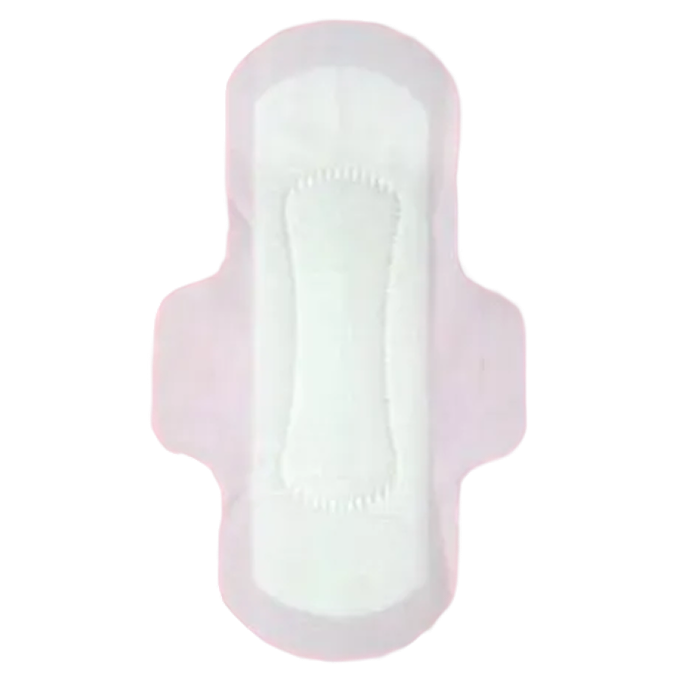
An overnight pad
Post-procedure bleeding is normal and common. Bring a few ultra-absorbent pads (not tampons) just in case the clinic doesn’t provide them to you.

comfy underwear or better yet period underwear
This is your chance to whip out those granny panties that are in the back of your drawer. Or if you'd rather skip the pad in your undies thing, we recommend treating yourself to some Modibodi period underwear. They are super comfy and absorbent for any post-LLETZ procedure bleeding.

Pain relief
Ask your doctor what’s okay (usually paracetamol or ibuprofen) for post-LLETZ procedure you who may be feeling a little sore.

Water and your go-to snacks
Especially if you’ve fasted or are feeling woozy after. Post-LLETZ procedure you will thank you for being prepared to fill your belly with some food that hits the spot.

A toasty warm heat pack
Great for soothing any cramping.

A lil entertainment or distraction
A podcast, book, playlist, or meditation app to ease anxiety pre or post procedure.

Your support person
The most important part in your prep for the LLETZ procedure. Make sure your wonderful support person can drop you off and pick you up from the appointment, and take down any discharge notes (in case you're feeling a bit groggy from the anaesthetic!).
Post LLETZ Procedure
So, you've come out the other side of the LLETZ procedure! Whoa, take a big breath. What a relief. You've done your proactive human thing and looked after your health.
Now your cervix is hopefully healing, your body's doing its thing, and it’s time to talk about the healing process.
Totally normal things your body might do while healing:
- Light bleeding or spotting for up to 2 weeks (like the tail-end of a period)
- Brown discharge (can look a bit like coffee grounds - that’s old blood, not infection)
- Mild cramping - think period pain level
- Watery or pinkish discharge
- Feeling tired or a bit sensitive emotionally (this is minor surgery, and your hormones and nervous system know it!)
Hot tip: use pads or liners, not tampons or menstrual cups during this time.
These symptoms could be signs of infection, poor healing, or other complications. Don’t ignore them - call your doctor or go to emergency if you experience:
- Heavy bleeding (soaking a pad in under an hour, or passing large clots)
- Foul-smelling vaginal discharge (fishy, rotten, or metallic scent)
- Severe or increasing pelvic pain or cramping
- Fever (38°C or higher), chills, or feeling very unwell
- Pain that doesn’t respond to over-the-counter meds
- Dizziness, fainting, or light-headedness
- Ongoing bleeding or discharge beyond 3 weeks
If you’re unsure - call the clinic where you got the procedure done or your GP. It’s always okay to ask. Trust your gut (and your cervix).
0
Pain-free, baby!
1
Pain-free, baby!
2
I can feel it, but it’s no biggie.
3
It’s annoying, but I can tune it out.
4
It’s constant and starting to wear me down.
5
It’s hard to focus. I’m uncomfortable and kind of done.
7
I need support — I can’t manage this on my own. Might be time to call the doctor.
8
This is serious. I’m struggling to cope and thinking about urgent care.
9
I can’t move or think straight. This feels emergency-level.
10
The worst pain I’ve ever felt. This is an emergency. Hospital, now.
0
A cute drop
1
Light flow
2
Moderate
3
Heavy
4
Very heavy
5
Flood zone
The pain-o-metre
A lot of us downplay our pain.
Especially when it comes to periods, cramping, or anything uterus-adjacent. We’re taught to tough it out, to call it “normal,” even when it’s not. Why? Because for a very long time, the world told us to.
That’s exactly why we created this Pain-O-Metre, to help you check in with your body, validate what you’re feeling, and remind you that asking for help isn’t dramatic. It’s smart.
This scale is here to help you check in with your body - it’s not a substitute for medical advice. If you’re ever unsure, always check in with a healthcare provider.
The Blood-o-metre
This scale is a guide, not a diagnosis. Everyone’s body and baseline are different, and pain or bleeding that’s affecting your daily life, mental health, or ability to function is reason enough to check in with a medical professional.
When in doubt - Trust your gut, and seek support.
Future Cervical screenings
Where this info comes from
This page was created using guidance from trusted Australian and international health organisations, clinical guidelines, and peer-reviewed research. These sources support the medical accuracy, accessibility, and lived experience approach behind this content.
- Australian Government Department of Health, Disability and aging
- Australian Government Department of health, Disability and ageing - Getting a cervical screening
- Healthdirect Australia - cervical screening test
- Queensland Governement - about cervical screening
- Cancer Council - A guide to Cervical Screenings
- Jean Hailes - Cervical screening test
- Canwe - cervical cancer screening
- Ownit
- BetterHealth Channel - cervical screening
- Otten, C. (2021). The sex ed you never had. Allen & Unwin.