
Partners
Hey, we see you. Being the emotional support person can feel like carrying the world on your shoulders, lifting when your partner needs that extra 2%, putting their needs before your own (because that’s what love does). But here’s the thing: you’re not meant to have all the answers and that’s perfectly normal. Think of this as your emotional support water bottle: always on hand, keeping you steady, and full of handy tips on what to say (and what not to say) when your partner needs you most.
How to be a better ally
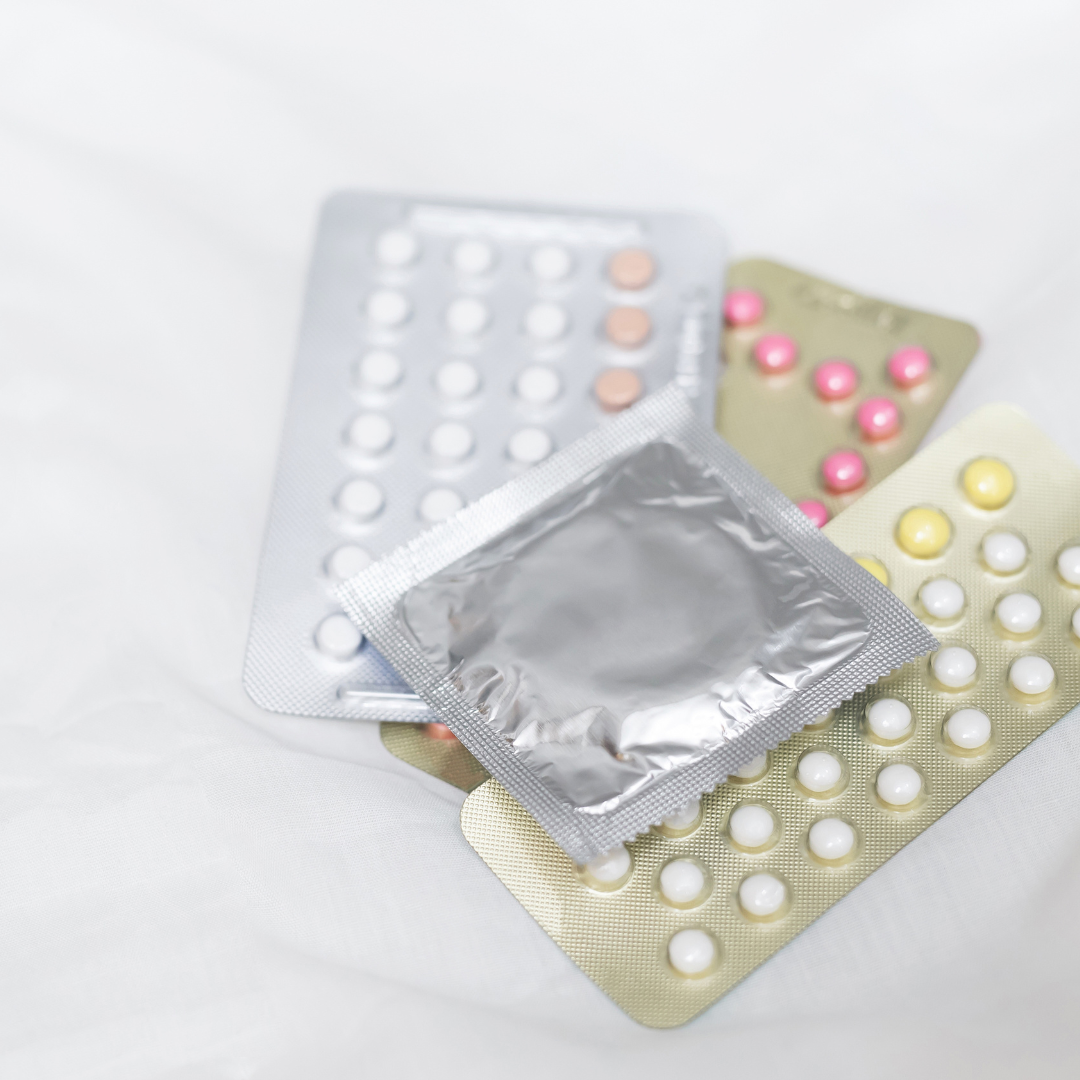


How to be a better ally
Allies in the wild
aka getting curious
How to talk about periods without being weird
“So…are you, like, on your period?” Cue the scrunched-up face, like you’ve just taken the rubbish out and it leaked bin juice down your leg.
That right there.
A strong contender for the definition of being weird about periods. Let’s retire that energy because guess what, periods aren’t gross, shameful, or something to whisper about. They’re a normal, monthly magic trick where your body sheds what it doesn’t need and gets ready to do it all again. Which, when you think about it is pretty incredible.
1. Ask, don't assume
Instead of guessing, interrogating or assuming you know what they're going through, invite the other person in.
You could try something like:
“Are you comfortable with me checking in about your period?"
"What would be best for you?”
Consent first, always. This shows you respect their boundaries and that they get to decide how much to share.
2. Call it what it is
Call it what it is - a period or monthly bleed. Instead of dancing around it.
Skip the coy euphemisms unless they use them first (shark week, on the rag, that time of the month, aunt flo, etc). Then mirror their language.
This shows you’re meeting them where they’re at!
3. Let them lead
Open-ended questions keep the door open without being nosy (like your neighbour Barbara, that keeps opening your mail).
You could try something like:
“What’s your experience like?”
“Anything that usually helps?”
“How can I support you today?”
These are way better than “What’s wrong with you?”
4. Validate, don't minimise
Say things that recognise their experience.
Try something like:
“That sounds rough, no wonder you’re exhausted.”
“That's totally normal and valid.”
Skip dismissive lines like:
“It can’t be that bad.”
“Everyone gets them.”
“You’re just hormonal.”
Validation builds trust; minimising shuts people down.
5. Ask before offering fixes
Sometimes they want solutions, sometimes they just want empathy or a hug.
You could try something like:
“Would you like me to help or just need a listening ear?”
“Would company help or do you want space?”
If they do want help, keep it practical: heat packs, snacks, pain relief, schedule tweaks, not a 10-point TED Talk on cycle syncing (unless they ask for that, then go right ahead).
6. Talk logistics
Sometimes offering to pickup period supplies or surprising your loved one with their favourite chocolate is all that's needed and honestly makes a world of difference.
Some suggestions:
“Need me to pickup pads/tampons for you?"
“Want me to grab a heat pack?”
"I'm at the shops, do you need pain relief?"
7. Respect their privacy
Some people want to share every detail, others keep it private. Both are valid. Gauge this based on the information that they provide; this will be your guide.
Some suggestions:
If it’s at work/school: “How can I help make today easier, more breaks, cover, or quieter tasks?”
If it's at home: "How about I cook dinner tonight?", "Let me know if you need anything"
If they don’t want to share, that's okay, respect that.
8. Be inclusive
Not everyone who menstruates is a woman. It's more inclusive to say people who have periods, and if you’re unsure about pronouns, it's okay to ask. You may get it wrong and that's okay - just acknowledge it and keep trying. Inclusion shows care.
9. Follow up
A simple: “Feeling any better today?” goes a loooooong way.
Small, caring check-ins remind them you see them as a whole person, not just “someone on their period.”
What symptoms can feel like
To get you up to speed
Periods aren’t just “a bit of bleeding.” For some, it’s a monthly festival of cramps, mood swings, bloating, back pain, migraines, fatigue, and general “my body is plotting against me” vibes.
And symptoms can look completely different from one person to the next AND from one month to the next.
- Cramps: Ranging from “mild twinge” to “curl-up-on-the-bathroom-floor” pain.
- Bloating: Clothes suddenly fit like they’ve been tumble-dried too long.
- Back/leg pain: Achy, heavy, dragging feelings that radiate beyond the belly.
- Headaches or migraines: Sometimes paired with light sensitivity or nausea.
- Mood changes: Irritability, teariness, or feeling flat. All thanks to hormone shifts (not a personality flaw).
- Fatigue: The kind where even standing feels like too much admin.
- Digestive changes: From constipation to “gotta-go-now” urgency. There's a thing called a "period poo", which normally happens shortly after getting a period.
- Heavy bleeding: Soaking through pads/tampons/cups faster than expected.
If someone tells you they’re in pain, believe them. Resist the urge to say “It’s just part of being a woman,” “You’re overreacting,” or “It’s not that bad.” Those phrases shut people down and can make them less likely to seek help, even if their symptoms point to something like endometriosis, fibroids, or other conditions that deserve medical attention.
Try this instead:
- “That sounds intense, what would help right now?”
- “Want me to keep you company/grab pain relief/sort the snacks?”
- “I’m here if you need to vent or rest.”
What’s the difference between PMS and PMDD?
Most people who menstruate have heard of PMS (premenstrual syndrome): the “ugh, why do I feel like this?” cocktail of mood swings, cramps, bloating, fatigue, and general irritability that pops up in the week or two before a period. It’s common, usually mild-to-moderate, and symptoms tend to ease once bleeding starts.
PMDD (premenstrual dysphoric disorder) is PMS cranked up to the extreme and it’s a recognised medical condition, not just “really bad PMS.” It causes severe mood changes like intense sadness, rage, anxiety, or hopelessness, often disrupting work, relationships, and daily life. Physical symptoms can be similar to PMS, but the emotional impact is much heavier. PMDD symptoms also appear in the luteal phase (after ovulation, before bleeding) and vanish once the period begins.
Your guide to period products
Wanna know what's sexy? Your partner whipping out a period product and you become a walking encyclopedia on periods and the different ways to catch, collect or absorb their monthly bleed!
Now's your chance, take notes my friend because you are about to embark on a journey of some marvellous innovations in the period department.
1. Let's address the elephant in the room
Just so you know, any products that are going inside the body to absorb or collect menstrual blood cannot get lost.
The vagina is like a short, soft hallway. There's only one way in and out, that’s the vaginal opening. If your partner inserts a tampon, they're placing it inside this hallway. At the far end of the hallway is the cervix, which is the lower part of the uterus. It acts like a wall with a very small opening in the centre. That opening is teenie tiny, like just a few millimetres wide and far too small for a tampon to get through. During their period, the cervix opens just enough to let menstrual fluid pass through, not enough for anything larger to get in or out.
2. Pads
- These are the soft, sticky-backed rectangles that go in someone's undies
- They catch the blood after it leaves your body.
- Come with or without “wings.” Those little side flaps that hug a person's underwear.
- Need changing every 4-6 hours, or when it starts to feel like a soggy Weet-Bix.
- There’s also reusable options out there too.
Good for beginners, sleepers, and anyone who doesn’t want to put something inside of them.
3. Tampons
- They go inside the vagina and absorb blood before it even has a chance to escape.
- They look like little cotton bullets with a string attached. This isn't for carrying it around but actually to pull it out once it's done its job!
- Some come with an applicator (like a little rocket launcher), others can be inserted using a finger.
- Needs to be changed every 4-6 hours.
Great for swimming, when they're playing sport, or just living their best active life.
4. Menstrual cup
- A soft, squishy silicone cup that chills inside the vagina and collects blood.
- Needs to be emptied every 8-12 hours. Rinse. Repeat.
- Requires a little bit of practice to get the insertion down pat.
Good for those who want a more sustainable option that’s better for the environment.
5. Menstrual disc
- A flexible disc that sits way up high near the cervix and catches blood like a tiny frisbee with a purpose.
- Can stay in for up to 12 hours.
- Best for experienced users, takes a bit of practice to insert and remove without spillage!
- You can have sex with them in. Yes. Period sex. Mess-free. Mic drop.
Good for people with a heavy flow that don't want to have to think about their period leaking every 5 seconds.
6. Period underwear
- These are absorbent undies designed to soak up period blood without the need for anything else.
- Comes in different absorbency levels from super heavy to barely-there, so they're covered on every day of their cycle.
- They look and feel like regular undies, but they’re secretly superheroes.
- Reusable and washable.
- Some people prefer these over pads because they don't feel like you are wearing a diaper.
Good for sleeping, lounging, first-period days, or just living in denial about periods (who's with us?!).
Ways to be the best support person to your loved one with periods
Supporting someone on their period isn’t about tiptoeing around them or rolling out some “princess treatment” like they're a celebrity walking down a red carpet. It’s about equity, the same way you’d hope your loved one has your back when you’ve had a rough day, been slammed at work, or just need someone to cook your favourite meal. Periods can be tough, so small, thoughtful actions go a long way in making things just that little bit easier!
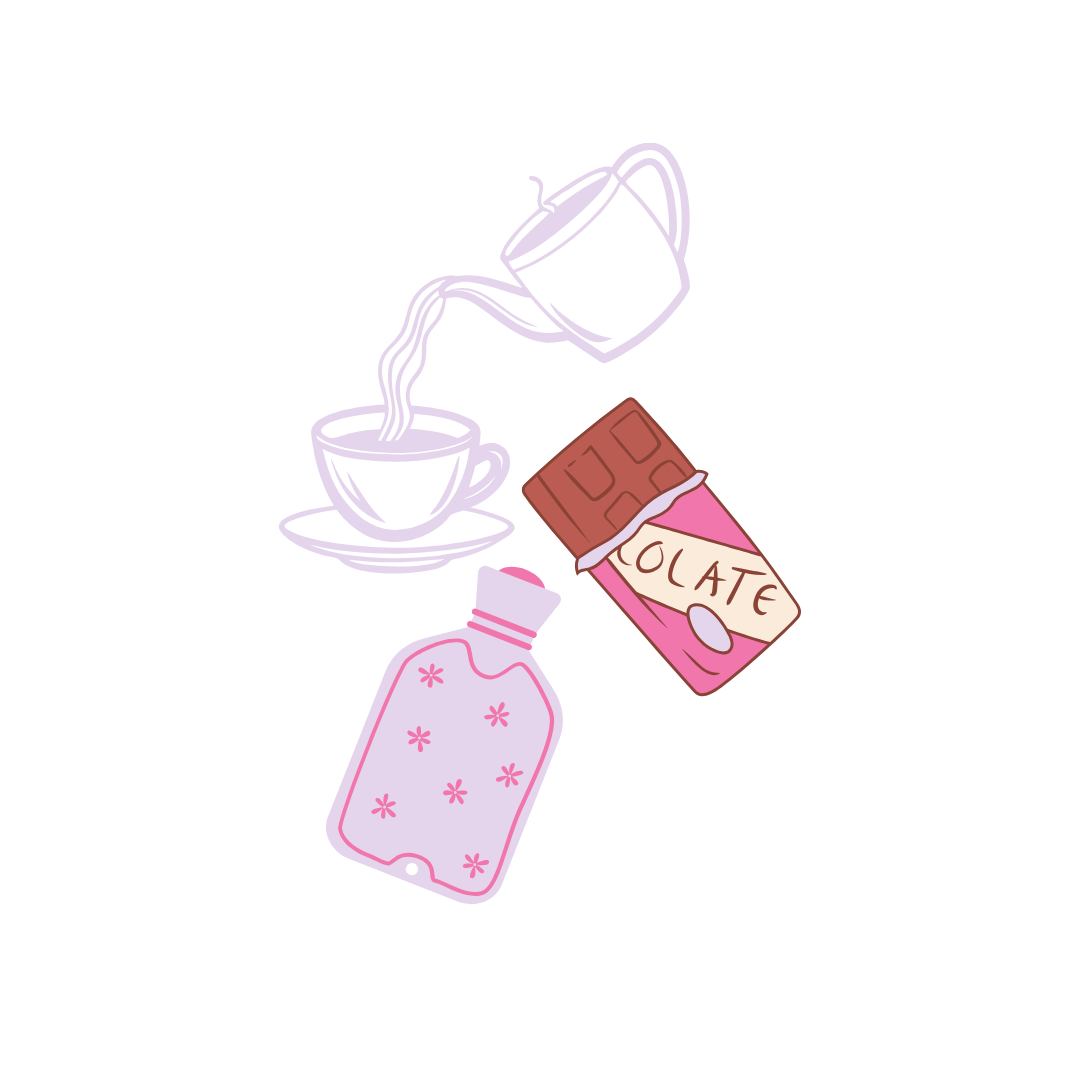
Stock the comfort kit
Heat pack, chocolate, favourite tea, pain relief, and that cosy blanket they always steal. If you REALLY want to go above and beyond, bake them something. Major brownie points (haha get it?!)

Feed them
Cook dinner, order their go-to takeaway, or just bring snacks. Bonus points if you remember their cycle craving staples.

Do the heavy lifting, literally
Carry the groceries, take out the bins, wrangle the kids, move the laundry. Basically, anything that means less effort for them.
Create a chill zone
Set them up with Netflix, books, or whatever helps them switch off.
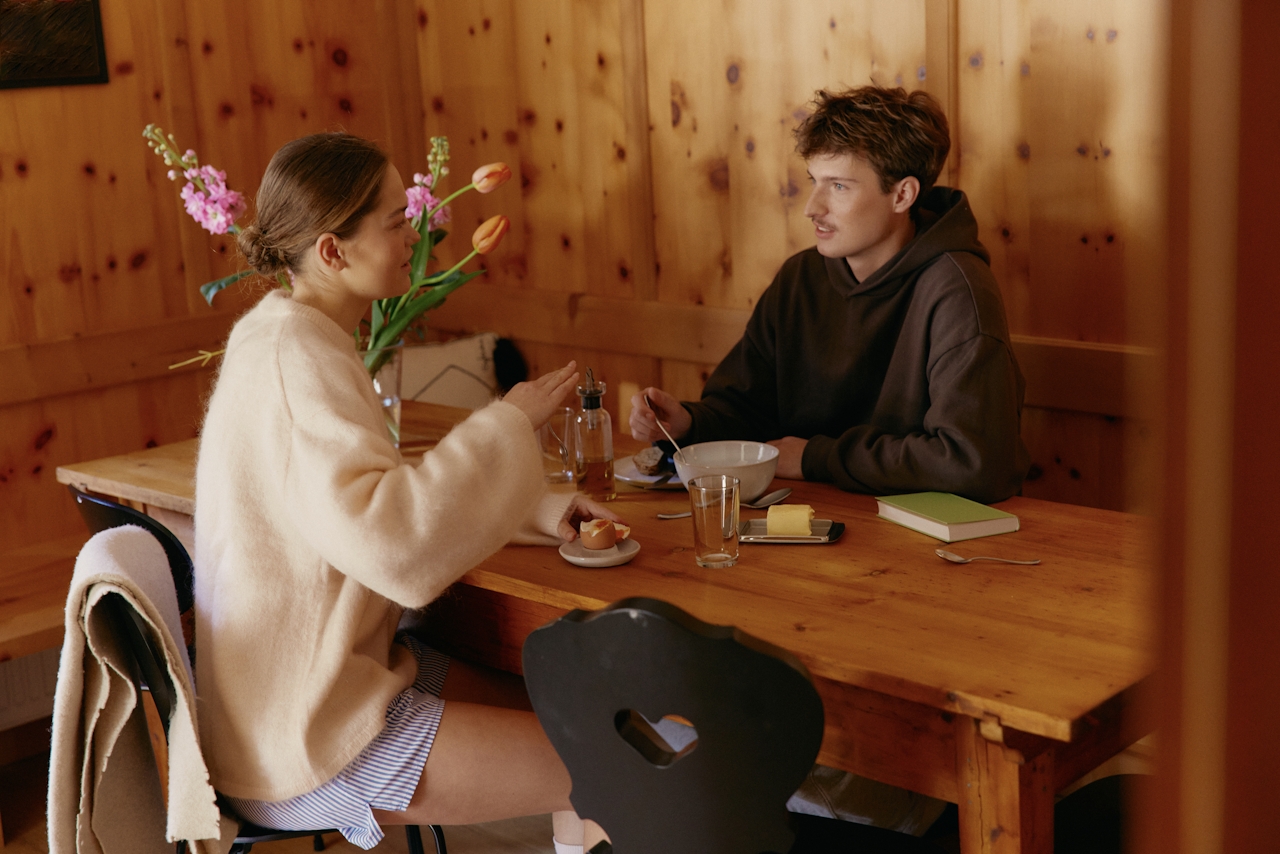
Listen first, fix later (or not at all)
Sometimes all that's needed is to vent, not be given a TED talk on solutions. Be guided by what they need.

Remind them it’s okay to rest
If they’re feeling guilty about slowing down, gently nudge them toward the couch and away from their to-do list.
Contraception methods explained
Conversation Starters
Contraception chats don’t have to be awkward. Just a couple thoughtful adults who value their body and their partners. You don’t need a script, a candlelit setting, or a 12 slide PowerPoint. You just need the confidence to say, “Hey, can we chat about contraception for a sec?” and the trust that anyone worth having sex with will appreciate that you brought it up.
Contraception chats don’t have to be awkward. Just a couple thoughtful adults who value their body and their partners. You don’t need a script, a candlelit setting, or a PowerPoint. You just need the confidence to say, “Hey, can we chat about contraception for a sec?” and the trust that anyone worth having sex with will appreciate that you brought it up.
How to support someone on contraception
Contraception isn’t a one-player game; it affects the person taking it, the person(s) they’re with, and the relationship between them. The physical load usually falls on the body using the method, however, the emotional, financial, and relational load can (and should) be shared.
Your role as an ally isn’t to give up your voice and grin and bear it, it’s to approach the conversation with curiosity, empathy, and the understanding that your needs matter too, but they’re not the only needs in the room.
1. Lead with empathy, not assumptions
Get your active listening ears on!
Their body is doing its thing so keep their perspective in mind and lead with compassion for what they might be going through.
2. Make it a "we" conversation
Instead of “you should…”
try:
“How do we make this work for both of us?”
It’s a subtle shift that keeps everyone’s needs on the same page.
3. Stay informed without taking over
It’s great to learn about different methods, but remember they’re the one living with it day to day.
Bring information as an option, not a directive.
4. Validate the hard bits
If side effects are messing with their mood, libido, or comfort, acknowledge it. You can share how it affects you too, just make sure empathy comes before your own frustrations.
5. Help with the load
Offer practical support, from sharing costs to picking up prescriptions to taking on more household tasks during adjustment periods (particularly if they're going on/off hormonal contraception).
6. Know when to flag things
Learn what’s “normal” when starting a method vs. when it’s time for a medical check-in. Sometimes, you might be the one who notices a side effect change first.
7. Keep the conversation going
The “right” method today might not work in two years. Keep checking in with each other without judgment or resentment.

Should we share the responsibility & costs?
If contraception benefits both people in a relationship (which it normally does...because guess what? it takes TWO to tango), then so should the responsibility.
That could look like:
- Splitting the cost of prescriptions, devices, and appointments.
- Offering to pick up scripts or drive to appointments.
- Helping with household tasks if recovery is needed post-procedure.
- Being an active part of decision-making, not in a controlling way, but in a “we’re in this together” way.
Contraception shouldn’t be a solo sport, shared investment (time, money, energy) shows respect for the work your partner is doing for both of you
How to support someone transitioning off hormonal contraception
Your partner’s ditching hormonal contraception.
Translation: their body’s about to throw a full-blown reboot party. The hormones are DJ’ing, moods on the dance floor, skin and cycles deciding if they’ll even show up (currently they haven’t RSVP’d).
It can be a lot. The good news is that you don’t need to understand every hormone chart to be a great partner. You just need to listen, show up, and know when to bring the snacks. This step-by-step guide will help you do exactly that.
1. Week 1
What might be happening for them:
Hormone levels are shifting quickly. They might feel fine, but they could also experience tiredness, headaches, emotional wobbliness, or just an unfamiliar sense of “something’s different.”
How to help:
Be a steady anchor - keep routines consistent and predictable while they adjust.
Normalise the feelings - If they feel teary or off-balance, remind them that it’s just part of the body recalibrating.
Help reduce pressure - offer to take small tasks off their plate like groceries, cooking, errands so they can chill.
Create a “comfort buffer” - you could suggest cosy nights in, low-stimulation activities, and warm, nourishing meals.
Invite emotional check-ins - a simple “How’s your body feeling today?” can make them feel seen.
2. Week 2
What might be happening for them:
Hormonal fluctuations are intensifying as their natural cycle ramps back up. PMS-type symptoms might creep in - irritability, breast tenderness, changes in energy, or more emotional sensitivity.
How to help:
- Keep the environment calm - reduce unnecessary stressors and help create a soothing home vibe.
- Validate emotional shifts - avoid minimising mood changes. Listen first, reassure second.
- Be curious, not intrusive. If they’re tracking their cycle or symptoms, ask how it’s going, but don’t make it a daily interrogation.
- Encourage restorative breaks - If work or life is hectic, gently remind them to pause, stretch and take time for themselves.
- Join them in “feel good” routines - whether it’s herbal tea before bed, a lunchtime walk, or a favourite show.
3. Week 3
What might be happening for them:
Ovulation may return. They could be experiencing physical changes like skin breakouts, bloating, cramps and feeling emotionally “more alive,” which can be energising or unsettling.
How to help:
- Hold space for unpredictability - plans might shift with their energy and that’s okay! Ride those waves together!
- Encourage self-awareness over self-criticism - remind them these changes are biological, not personal flaws.
- Support healthy rhythms - join them for mood-regulating activities like light exercise, good food, or early nights.
- Listen without problem-solving - ask things like “do you want to talk or take your mind off it?”
- Notice and reflect back positives - acknowledge improvements or patterns they might miss.
- Offer reality checks - gently remind them this is temporary, even if it feels intense now.
- Celebrate the milestones - first ovulation, increased energy, or feeling more connected to their body, acknowledge them all.
4. 1 month
What might be happening for them:
They might have their first natural period. Hormones are settling into a more recognisable cycle. Acne, mood shifts, and libido changes can still be fluctuating.
How to help:
- Respect their cycle cues - If they’re tired, crampy, or low energy, adapt plans accordingly.
- Encourage self-care consistency - help them stick to routines that support their wellbeing.
- Be an accountability buddy - If they’re cycle tracking, check in at the same time each week to see how it’s going.
- Validate the wonderful rainbow of emotion - natural hormones can bring higher highs and sometimes lower lows. This is normal!
- Appreciate their insight - if they share new discoveries about their body, respond with genuine interest.
5. 6 months
What might be happening for them:
Most people feel more stable, cycles have settled, moods are more predictable, energy is steadier. Any underlying health issues might have emerged, and they’re likely more confident in managing their cycle.
How to help:
- Keep the support going - just because things have settled doesn’t mean they don’t appreciate your awareness.
- Be aware of ongoing patterns - If something seems consistently off (pain, extreme cycles, mood changes), encourage your partner to seek support.
- Celebrate their autonomy - recognise the effort and self-awareness they’ve built over the past months.
- Stay engaged - ask about their wellbeing without making it all about hormones.
- Share in their wins - whether it’s improved skin, better sleep, or feeling more “like themselves,” reflect back how far they’ve come.
Rapid fire prompts when supporting someone on contraception
What to say (and what not to say)
When it comes to contraception, the way you respond matters just as much as the practical support you give. Here are some simple prompts to help you know what to say (and what not to say) to make your partner feel seen, heard and understood.
- “How are you feeling about your contraception at the moment?”
- “Want me to come with you to your appointment?”
- “I’ll grab your script when I’m at the pharmacy.”
- “If it’s not working out, we can look at other options together.”
- “I really appreciate everything you’re doing to manage this.”
- “It’s just the pill, how bad can it be?”
- “I don’t want to hear about side effects, it’s kinda grossing me out.”
- “Why don’t you just stick with what you’ve got?”
- “That’s your thing to figure out, not mine.”
- “Well, I’m fine either way” (aka the least reassuring and unhelpful answer ever).
What happens during an in-clinic cervical screening?
Cervical screenings are no one's idea of fun. They can feel uncomfortable, clinical and exposing. Whether it’s your loved one's first time, they’ve had a difficult experience in the past, or they're just not quite sure what to expect, it’s completely okay to feel a bit uneasy about the whole ordeal.
It's important to remind them that this is their body. They're in control. And they deserve to feel safe, supported, and respected at every step.
So that you are better informed as the support person going into the appointment, here’s what usually happens during an in-clinic cervical screening.
1. First, a convo with the doctor
They’ll usually explain what the test involves and ask about your partner's history with cervical screenings in a respectful, confidential way.
Your partner can ask as many questions as they like. They can also say no, pause or stop at any time.
2. They're given privacy and time to get ready
- Your partner will be shown to a private space (usually within the consultation room or exam room),
- They'll get undressed from the waist down and lie on an exam table with a sheet or blanket to cover themselves.
- Normally there will be a seat near their head where you can sit next to them (hold their hand, kiss them, distract them).
- They can request a female clinician, wear earphones, or ask for extra time.
3. They'll use a speculum to get a good view of your Partner's cervix
A speculum is a smooth plastic or metal tool (kinda looks like tongs) used to gently open the vaginal walls so the clinician can see their cervix.
It may feel a little unusual or pressure-y, but it shouldn’t hurt. If it does, or if they feel uncomfortable, they can say so, they won’t be judged, and they can adjust or stop.
4. A quick sample is collected
Using a small soft brush or spatula, they’ll gently collect a few cells from your partner's cervix. This only takes a couple of seconds. It’s quick, and most people describe it as mildly uncomfortable at most.
5. And that's it! They're done
Remind them that they did the hard thing! Give them a big hug and go celebrate!
The speculum is gently removed, they get dressed in their own time, and the sample is sent to a lab for testing.
Results usually take a few days to two weeks, and their doctor will let them know how and when they'll receive them.
If HPV is found, your partner's doctor will explain what that means and what the next steps are, often just a repeat test or closer monitoring.
Relaxation techniques to use when you are mid Cervical screening
Here’s some relaxation techniques that you can have in your back pocket as the support person for mid-cervical screening to hopefully help calm your partner.
You may wish to practice these techniques together beforehand or just guide them during the appointment.
What to do:
- Inhale for 4 seconds
- Hold your breath for 4 seconds
- Exhale for 4 seconds
- Hold for 4 seconds, then repeat
What to do:
Picture yourself lying on a soft, fluffy cloud, floating effortlessly through the sky. With each inhale, imagine the cloud lifting you higher. With each exhale, feel your body releasing tension into the air.
Why it helps:
It creates a sense of weightlessness, helping you relax your pelvic muscles and reduce pain perception.
Prep before the appointment:
Plan what you are going to do post cervical screening. Think low-impact ‘happy place’. This could be indulging in your favourite food, curled up in bed binge watching your favourite tv series or snuggling with Meow-bert the long haired ragdoll. Organise this together so everyone is on board with the plan.
What to do:
Imagine yourself an hour from now in your pre-planned happy place.
Why it helps:
Your brain believes what you tell it - so by focusing on the post cervical screening relief, you shift away from discomfort in the moment.
How to support someone anxious or overdue for their cervical screening appointment
Rapid fire prompts when supporting someone getting a cervical screening
What to say (and what not to say)
When it comes to cervical screenings, the way you respond matters just as much as the practical support you give. Here are some simple prompts to help you know what to say (and what not to say) that can make your partner feel seen, heard and understood.
- “I’m here for you, whatever you need.”
- “Do you want to know the step-by-step, or would you rather I distract you?”
- “You’ve got this. I’m proud of you for taking care of your health.”
- “Want to make a plan for something fun after?”
- “It’s no big deal” (It might be for them.)
- “You're overreacting, it’s just five minutes” (Minimises their feelings.)
- “You’ll be fine” (Too vague, offer tangible reassurance instead.)
- Any jokes about stirrups, speculums, or body parts unless you know humour is their coping style.