
Your first period
Welcome to the wild and wonderful ride of your first period, an emotional waterfall full of feels, freak-outs, and figuring it out. You’re not alone in this. Let’s break it down by how it feels, what you might expect, and how to go from panic to prepared.
Contraception


Video section TESTS
Caps Statement
Conversational heading
To make women’s health easy, accessible, and empowering—removing confusion and stigma around contraception, menstrual cycles, and reproductive health.

Heading
Lorem ipsum dolor sit amet, consectetur adipiscing elit. Suspendisse varius enim in eros elementum tristique. Duis cursus, mi quis viverra ornare, eros dolor interdum nulla, ut commodo diam libero vitae erat. Aenean faucibus nibh et justo cursus id rutrum lorem imperdiet. Nunc ut sem vitae risus tristique posuere.
Allies & AdvocatesYOUR HEALTH.
No jargon. No judgement.
Lorem ipsum dolor sit amet, consectetur adipiscing elit. Suspendisse varius enim in eros elementum tristique. Duis cursus, mi quis viverra ornare, eros dolor interdum nulla, ut commodo diam libero vitae erat. Aenean faucibus nibh et justo cursus id rutrum lorem imperdiet. Nunc ut sem vitae risus tristique posuere.
Button TextTalani is cool
To make women’s health easy, accessible, and empowering—removing confusion and stigma around contraception, menstrual cycles, and reproductive health.
Read more

Copper IUD
The copper IUD aka intrauterine device (IUD) is a tiny (we’re talking 50 cent piece size), T-shaped plastic device wrapped in copper wire that is inserted into the uterus. It has one mission and one mission only: prevent pregnancy.
Zero hormones. Loads of staying power.
Gets an A+ in pregnancy prevention.
Unlike the hormonal IUDs, the copper IUD doesn’t release any synthetic hormones. Copper and sperm aren’t friends, creating an environment that is inhospitable to sperm. It stops those swimmers from moving properly and makes fertilisation very unlikely.
It also changes the uterine lining, making it harder for the fertilised egg to implant.
The copper IUD is also a suitable method of emergency contraception. This means that if you do have unprotected sex or your current method of contraception (ie. condom breaks, missed a pill etc) fails then getting the copper IUD inserted can be a backup option to stop any potential pregnancy in its tracks. However, the copper IUD is a long term contraceptive method (it can last for up to 5-10 years in the uterus), so if you are after a quick fix, maybe look into the emergency contraceptive pill.
Unlike the hormonal IUDs, the copper IUD doesn’t release any synthetic hormones. Copper and sperm aren’t friends, creating an environment that is inhospitable to sperm. It stops those swimmers from moving properly and makes fertilisation very unlikely.
It also changes the uterine lining, making it harder for the fertilised egg to implant.
The copper IUD is also a suitable method of emergency contraception. This means that if you do have unprotected sex or your current method of contraception (ie. condom breaks, missed a pill etc) fails then getting the copper IUD inserted can be a backup option to stop any potential pregnancy in its tracks. However, the copper IUD is a long term contraceptive method (it can last for up to 5-10 years in the uterus), so if you are after a quick fix, maybe look into the emergency contraceptive pill.
Unlike the hormonal IUDs, the copper IUD doesn’t release any synthetic hormones. Copper and sperm aren’t friends, creating an environment that is inhospitable to sperm. It stops those swimmers from moving properly and makes fertilisation very unlikely.
It also changes the uterine lining, making it harder for the fertilised egg to implant.
The copper IUD is also a suitable method of emergency contraception. This means that if you do have unprotected sex or your current method of contraception (ie. condom breaks, missed a pill etc) fails then getting the copper IUD inserted can be a backup option to stop any potential pregnancy in its tracks. However, the copper IUD is a long term contraceptive method (it can last for up to 5-10 years in the uterus), so if you are after a quick fix, maybe look into the emergency contraceptive pill.

The not-so-fun stuff
Common side effects
- Heavier periods and more cramping, usually in the first 3 to 6 months
- Spotting between periods can happen at first - most people find it settles over time.
Less Common But important to know
There’s a small risk of PID in the first 20 days after your IUD is inserted—not because of the IUD itself, but because if there’s an untreated STI hanging around, bacteria can get pushed up into the uterus during insertion. The chance of this happening? 0.5% or less. After that? Your risk is the same as anyone without an IUD.
What can you do?
– Get an STI check before your appointment
– Make sure you get your results back before insertion—if there’s anything to treat, you want to sort it first.
Sometimes (in about 2–10% of cases), the IUD can partially or fully slip out — especially in the first 3 to 6 months after insertion. You might notice this, or you might not (string checks are handy for this very reason).
You might be more at risk if you:
- Have heavy or irregular periods
- Are getting it soon after giving birth, especially within 6 weeks
- Are young or haven’t given birth (some research suggests a slightly higher risk)
- Experience a less-than-ideal insertion (make sure the person who is inserting the IUD knows what they’re doing!)
This one sounds scary (and it kind of is), but it’s very rare. It happens in 1–2 out of every 1,000 insertions. Perforation means the IUD accidentally pokes through the uterine wall, usually during the insertion procedure.
You might be more at risk if you:
- People who are breastfeeding (lower estrogen = softer uterine wall = slightly higher risk)
- Postpartum insertions (especially within 12 weeks of giving birth)
- Inexperienced providers—technique really matters here
What happens if it does perforate?
You may not notice right away. It’s often picked up via missing strings, pelvic pain, or during a scan. Sometimes it sorts itself out, sometimes it needs surgical removal. Most people recover without any long-term issues.
Pre insertion Prep
- Take pain relief around 30-60 minutes before your appointment to help minimise cramping.
- If you are not going under general anesthetic, have a light meal and drink plenty of water beforehand to avoid feeling lightheaded afterwards.
- Wear ultra comfy clothes, nothing too tight around your stomach (calling all granny panties)
- Heat pack, things that make you feel comfy and period care and/or period underwear ready to go at home (post insertion self will thank you)
What to actually expect during the IUD insertion process
Although it feels like a lifetime when you are in it, the IUD insertion typically takes 5-10 minutes.
Unlike the hormonal IUDs, the copper IUD doesn’t release any synthetic hormones. Copper and sperm aren’t friends, creating an environment that is inhospitable to sperm. It stops those swimmers from moving properly and makes fertilisation very unlikely.
It also changes the uterine lining, making it harder for the fertilised egg to implant.
The copper IUD is also a suitable method of emergency contraception. This means that if you do have unprotected sex or your current method of contraception (ie. condom breaks, missed a pill etc) fails then getting the copper IUD inserted can be a backup option to stop any potential pregnancy in its tracks. However, the copper IUD is a long term contraceptive method (it can last for up to 5-10 years in the uterus), so if you are after a quick fix, maybe look into the emergency contraceptive pill.
Heading
Unlike the hormonal IUDs, the copper IUD doesn’t release any synthetic hormones. Copper and sperm aren’t friends, creating an environment that is inhospitable to sperm. It stops those swimmers from moving properly and makes fertilisation very unlikely.
It also changes the uterine lining, making it harder for the fertilised egg to implant.
The copper IUD is also a suitable method of emergency contraception. This means that if you do have unprotected sex or your current method of contraception (ie. condom breaks, missed a pill etc) fails then getting the copper IUD inserted can be a backup option to stop any potential pregnancy in its tracks. However, the copper IUD is a long term contraceptive method (it can last for up to 5-10 years in the uterus), so if you are after a quick fix, maybe look into the emergency contraceptive pill.
Heading
Unlike the hormonal IUDs, the copper IUD doesn’t release any synthetic hormones. Copper and sperm aren’t friends, creating an environment that is inhospitable to sperm. It stops those swimmers from moving properly and makes fertilisation very unlikely.
It also changes the uterine lining, making it harder for the fertilised egg to implant.
The copper IUD is also a suitable method of emergency contraception. This means that if you do have unprotected sex or your current method of contraception (ie. condom breaks, missed a pill etc) fails then getting the copper IUD inserted can be a backup option to stop any potential pregnancy in its tracks. However, the copper IUD is a long term contraceptive method (it can last for up to 5-10 years in the uterus), so if you are after a quick fix, maybe look into the emergency contraceptive pill.
Heading
Unlike the hormonal IUDs, the copper IUD doesn’t release any synthetic hormones. Copper and sperm aren’t friends, creating an environment that is inhospitable to sperm. It stops those swimmers from moving properly and makes fertilisation very unlikely.
It also changes the uterine lining, making it harder for the fertilised egg to implant.
The copper IUD is also a suitable method of emergency contraception. This means that if you do have unprotected sex or your current method of contraception (ie. condom breaks, missed a pill etc) fails then getting the copper IUD inserted can be a backup option to stop any potential pregnancy in its tracks. However, the copper IUD is a long term contraceptive method (it can last for up to 5-10 years in the uterus), so if you are after a quick fix, maybe look into the emergency contraceptive pill.
Heading
Unlike the hormonal IUDs, the copper IUD doesn’t release any synthetic hormones. Copper and sperm aren’t friends, creating an environment that is inhospitable to sperm. It stops those swimmers from moving properly and makes fertilisation very unlikely.
It also changes the uterine lining, making it harder for the fertilised egg to implant.
The copper IUD is also a suitable method of emergency contraception. This means that if you do have unprotected sex or your current method of contraception (ie. condom breaks, missed a pill etc) fails then getting the copper IUD inserted can be a backup option to stop any potential pregnancy in its tracks. However, the copper IUD is a long term contraceptive method (it can last for up to 5-10 years in the uterus), so if you are after a quick fix, maybe look into the emergency contraceptive pill.
Heading
Unlike the hormonal IUDs, the copper IUD doesn’t release any synthetic hormones. Copper and sperm aren’t friends, creating an environment that is inhospitable to sperm. It stops those swimmers from moving properly and makes fertilisation very unlikely.
It also changes the uterine lining, making it harder for the fertilised egg to implant.
The copper IUD is also a suitable method of emergency contraception. This means that if you do have unprotected sex or your current method of contraception (ie. condom breaks, missed a pill etc) fails then getting the copper IUD inserted can be a backup option to stop any potential pregnancy in its tracks. However, the copper IUD is a long term contraceptive method (it can last for up to 5-10 years in the uterus), so if you are after a quick fix, maybe look into the emergency contraceptive pill.
The pain-o-meter
A lot of us downplay our pain.
Especially when it comes to periods, cramping, or anything uterus-adjacent. We’re taught to tough it out, to call it “normal,” even when it’s not. Why? Because for a very long time, the world told us to.
That’s exactly why we created this Pain-O-Metre — to help you check in with your body, validate what you’re feeling, and remind you that asking for help isn’t dramatic. It’s smart.
Your guide to period products
aka your new bloody besties
Conversation Starters
Use these when you're chilling, walking, watching Netflix—anytime that isn't in the heat of the moment.
I wanna know what’s off the table.”
I wanna know what’s off the table.”
I wanna know what’s off the table.”
I wanna know what’s off the table.”
Use these when you're chilling, walking, watching Netflix—anytime that isn't in the heat of the moment.
I wanna know what’s off the table.”
comfortable when you’re with someone?”
I wanna know what’s off the table.”
I wanna know what’s off the table.”
I wanna know what’s off the table.”
Post insertion procedure
You have made it to the other side! How are you feeling? It’s okay if you feel like crap, we get it. You don’t need to “grin and bear it” here. Let’s help you navigate the next little while. Everyone's experience is unique however, here’s a general guide of what to expect after the Copper IUD insertion:
24 hours after
Cramping & discomfort: it’s common to experience mild (it’s annoying but I can still function) to moderate (it’s impacting my ability to do the things I would normally but if i’m fine to lie here) cramping and low back pain immediately after the procedure. Think period pain but slightly worse. These symptoms typically go away within a day or two.
Pain-o-metre
Light spotting: your uterus is going to be a little irritated (do you blame it? It’s been through a lot!). You may notice light bleeding or spotting.
Blood-o-metre
24 hours after
Cramping & discomfort: it’s common to experience mild (it’s annoying but I can still function) to moderate (it’s impacting my ability to do the things I would normally but if i’m fine to lie here) cramping and low back pain immediately after the procedure. Think period pain but slightly worse. These symptoms typically go away within a day or two.
Pain-o-metre
Light spotting: your uterus is going to be a little irritated (do you blame it? It’s been through a lot!). You may notice light bleeding or spotting.
Blood-o-metre
24 hours after
Cramping & discomfort: it’s common to experience mild (it’s annoying but I can still function) to moderate (it’s impacting my ability to do the things I would normally but if i’m fine to lie here) cramping and low back pain immediately after the procedure. Think period pain but slightly worse. These symptoms typically go away within a day or two.
Pain-o-metre
Light spotting: your uterus is going to be a little irritated (do you blame it? It’s been through a lot!). You may notice light bleeding or spotting.
Blood-o-metre
24 hours after
Cramping & discomfort: it’s common to experience mild (it’s annoying but I can still function) to moderate (it’s impacting my ability to do the things I would normally but if i’m fine to lie here) cramping and low back pain immediately after the procedure. Think period pain but slightly worse. These symptoms typically go away within a day or two.
Pain-o-metre
Light spotting: your uterus is going to be a little irritated (do you blame it? It’s been through a lot!). You may notice light bleeding or spotting.
Blood-o-metre
Curate your period care (cute!)
I was 25 when I realised you could actually curate your period care. Yes, curate. Sounds exciting, right? Maybe even a little bit… fun?
Before this life-changing revelation, I used super tampons. For everything. Heavy day? Super tampon. Light day? Super tampon. Final whisper of blood on day 7? Still... super tampon. Dry, uncomfortable, and totally unnecessary? Yep. Did I know any better? Nope.
However, it really doesn’t have to be this way. Let me walk you through the possibilities.
A cute little cupboard, styled just the way you like it. Every time you see it, you smile. You open it up and there it is: your very own curated period care kit, with everything you need for the week ahead. Like you’re curating an art gallery–except the gallery is your body, and your supplies are everything it needs to feel comfy, supported, and celebrated.
Here’s a peek inside mine, to give you some inspo:
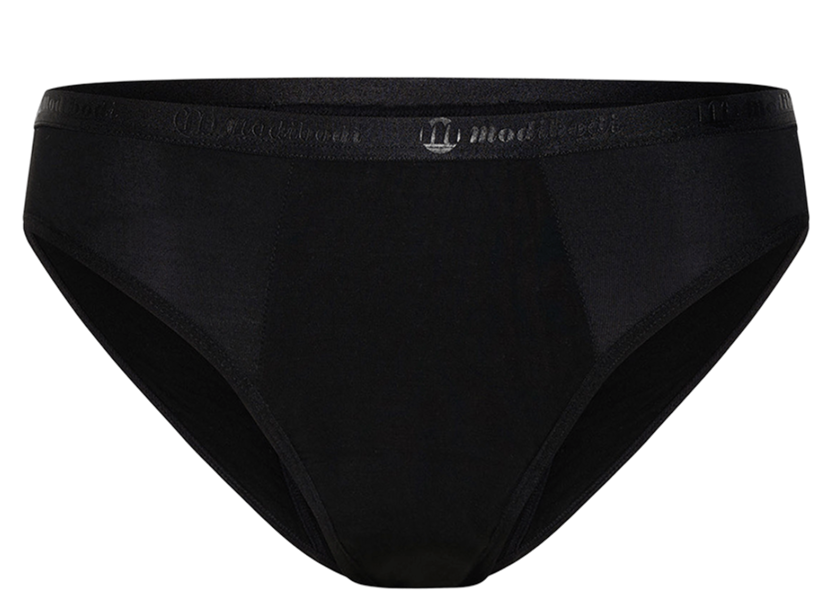
During the day
Modibodi Period Underwear – High-waisted, soft, and seamless. Feels like a hug. A dry, secure, blood-proof hug.
During the day
Modibodi Period Underwear – High-waisted, soft, and seamless. Feels like a hug. A dry, secure, blood-proof hug.
During the day
Modibodi Period Underwear – High-waisted, soft, and seamless. Feels like a hug. A dry, secure, blood-proof hug.
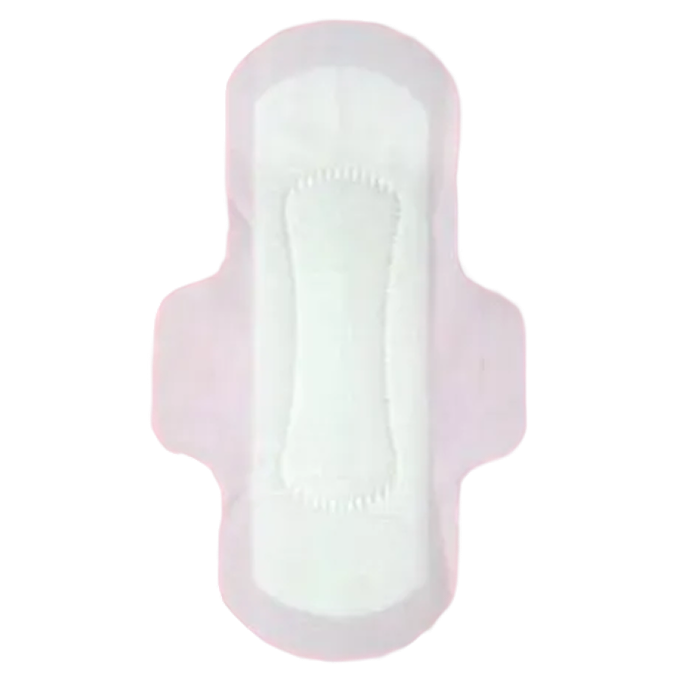
At night
Heavy pads with wings – Because there is nothing worse than a pad that bunches up in the middle of the night and launches a full-blown wedgie mid REM sleep.
During the day
Modibodi Period Underwear – High-waisted, soft, and seamless. Feels like a hug. A dry, secure, blood-proof hug.
At night
Heavy pads with wings – Because there is nothing worse than a pad that bunches up in the middle of the night and launches a full-blown wedgie mid REM sleep.